
400
Nexus Pay blog
Comparisons and guides: how to exchange and spend crypto around the world — cards, P2P, exchange offices, ATMs.

Crypto-Funded Card vs Currency Exchange Office: How They ComparePhysical exchange offices set their own spreads and require you to be present with cash. A crypto-funded card converts at the network rate when you pay or…

Five Ways to Turn USDT into Local Cash Without a Bank AccountYou can convert USDT to local currency through P2P platforms, crypto ATMs, OTC desks, a crypto-funded card, or exchange offices that accept crypto directly.

Crypto Visa and Debit Cards Compared: What Actually MattersBefore choosing a crypto card, compare which networks it accepts for funding, physical vs virtual format, monthly fees, ATM limits, settlement currency, and…

P2P Trading vs Card Top-Up: Safety and Speed ComparedP2P trading involves negotiating with an individual and carries counterparty risk. A card top-up converts instantly at the service's rate, with no separate…

ATM Cash Withdrawal vs Paying by Card: Costs and LimitsATM withdrawals carry flat fees and operator charges, with lower daily limits. Paying by card at a point of sale avoids ATM fees and suits larger daily…

How to Avoid Airport Currency Exchange Markup When TravelingAirport exchange counters charge wider spreads than city offices. A card that converts at payment removes the need to pre-buy cash at inflated rates.

Sending Money Abroad: Card, Crypto, P2P, or Bank Wire ComparedTraditional bank wires take days and pass through intermediaries. Crypto transfers confirm in minutes. P2P depends on finding a counterparty. Compare the…

Why the Network You Choose for USDT (TRC20, ERC20, BEP20) MattersUSDT exists on Tron, Ethereum, and BNB Smart Chain. Network fees differ, and sending to the wrong network can make funds unrecoverable. Always match the…

Card vs Cash Abroad: SIM Cards, Hotels, Tickets—What Works WhereHotels and ticket counters accept cards. Street markets and small shops often expect cash. Card avoids carrying large amounts, but some local cash remains…

Getting Paid in USDT: Turning Freelance Crypto Income Into Spending MoneyFreelancers are paid in USDT to avoid wire delays. A wallet holds the coins, but a card funded from that wallet lets you spend at any merchant or ATM.

Virtual vs Physical Crypto Card: Which to Get and When You Need BothVirtual cards work online within minutes; physical cards enable ATM withdrawals and in-person payments. Compare setup, use cases, and security for each format.

USDT vs USDC Compared: What Actually Differs for Everyday SpendingUSDT and USDC are both dollar-pegged stablecoins, but issuers, reserve transparency, and platform support vary. Compare the two for funding a spending card.

Bitcoin vs a Stablecoin for Funding a Spending Card: Why Volatility MattersBitcoin's daily price swings change how much your balance is worth at checkout. Compare funding a card with bitcoin versus a stablecoin for predictable…

Custodial vs Non-Custodial Crypto Wallets: Which Fits a Spending CardCustodial wallets let the provider manage keys and recovery; non-custodial wallets give you full control. Compare trade-offs for everyday card spending.

How Exchange-Rate Spreads Actually Work: Card Network Rate vs P2P Rate vs OTC RateA spread is the gap between buy and sell prices. Compare how card networks, peer-to-peer trades, and OTC desks set rates, and why final cost varies.

Paying Subscriptions Abroad: Crypto Card vs Bank CardRecurring subscriptions charge automatically, whether your card is crypto-funded or bank-issued. Compare how balance, currency conversion, and card freezes…

Crypto Card Travel Checklist: What to Check Before You GoBefore your crypto-funded card works abroad, check network acceptance, wallet balance, ATM limits, backup payment, and support availability. A practical…

Invoicing in USDT: What Freelancers and Clients Should Agree OnAn invoice paid in USDT should specify the network, clarify USD-equivalent accounting, and address tax reporting. What freelancers and clients need to agree…

Digital Nomad Banking: Crypto Wallet and Card vs Local Bank AccountOpening a local bank account abroad often requires proof of address and in-person visits. Compare that to a crypto wallet and card for digital nomads moving…

Sending Money to Family Abroad: Crypto and a Card vs Traditional Remittance ServicesTraditional remittance services offer cash pickup but charge fees and margins. Compare that to crypto transfers and a card for sending money to family abroad.

Managing Money on a Long Multi-Country Trip: Methods ComparedA practical comparison of ways to fund spending across multiple countries during extended travel, from cash to crypto-funded cards.

Business Trip Expenses: Crypto-Funded Card vs Corporate Card ComparedA side-by-side look at using a crypto-funded card versus a traditional corporate card for business travel expenses and reporting.

Splitting Travel Costs with a Group: Crypto Wallet vs Traditional MethodsA comparison of methods for splitting shared expenses among a travel group, from traditional payment apps to crypto wallet transfers.

Foreign Transaction Fees: How Crypto-Funded Cards Compare to Bank Travel CardsA breakdown of how foreign-transaction fees work on traditional bank cards versus crypto-funded cards, and what drives the total cost.

Booking Flights and Hotels Online with a Crypto-Funded Card: What to KnowWhat to know about payment holds, refund timelines, and dispute processes when booking flights and hotels with a crypto-funded card.

Paying International Suppliers in USDT vs Bank WireCompare USDT payments to traditional bank wires for international suppliers. Settlement speed, fees, and what both parties need to agree on before sending.

Should Your Small Business Accept Crypto Payments?What small businesses need to know before accepting crypto payments: technical setup, price exposure, tax recording, and how crypto fits alongside traditional…

Cross-Border B2B Payments: Crypto Rails vs Correspondent BankingCompare crypto settlement to correspondent banking for cross-border B2B payments. Routing, fees, regulatory frameworks, and accounting reconciliation.

Stablecoins as a Working-Capital Tool for Import/Export BusinessesHow import/export businesses use stablecoins to hold and move funds across borders without opening separate local accounts. Currency exposure and off-ramp…

Corporate Cards for Distributed Teams: Crypto-Funded Cards vs Issuing Local Corporate CardsCompare crypto-funded cards to issuing local corporate cards for distributed teams. Banking requirements, funding logistics, spending oversight, and…

How NFC Contactless Payments Work and Why They're FastNFC payments complete in about a second using short-range wireless tech and tokenization. Learn why contactless cards and phone wallets are faster than chip…

Modern ATM Features Explained: Beyond Dispensing CashModern ATMs offer multi-currency dispensing, cardless withdrawal, anti-skimming sensors, and flexible denominations. Learn what today's machines can do beyond…

Step by Step: Withdrawing Cash Abroad with the Lowest FeesAvoid surprise ATM fees abroad by checking operator charges, declining dynamic currency conversion, and withdrawing larger amounts less often. Step-by-step…

Dynamic Currency Conversion at the ATM: The On-Screen Choice That Costs You MoreDynamic currency conversion offers to charge you in your home currency at the ATM, but the exchange rate is typically worse than your card network's rate. How…

Withdrawing Cash Without Inserting Your Card: How Cardless ATM Withdrawal WorksCardless ATM withdrawal lets you request cash through an app and use a code or phone NFC at the machine, avoiding card skimming. How it works and what you need.

ATM Card Skimming: How It Works and Simple Ways to Avoid ItCard skimmers copy your data at ATMs to commit fraud. Learn how skimming devices work and practical steps to protect yourself at any cash machine.

How a Crypto-Funded Card Saves Time (and Stress) in Daily LifeA card linked to a crypto wallet removes trips to exchange offices and bank branches. See how instant top-ups and in-app tracking simplify everyday spending.

Traveling Without Exchange-Office Stress: How Modern Payment Tech Removes the GuessworkPre-buying foreign cash means guessing how much you'll need. Modern cards convert at payment, freeze if lost, and work across countries without the guesswork.

Chip, Contactless, and Magnetic Stripe: How Card Payment Technology Has EvolvedMagnetic stripes are easy to clone, chip cards generate unique codes per transaction, and contactless uses the same chip security wirelessly. How each works.

Daily and Monthly ATM Withdrawal Limits: How They Work and How to Plan Around ThemATM withdrawal limits are set by card issuers and sometimes by ATM operators. Learn how daily limits reset and how to plan large cash withdrawals.

Do You Pay Tax When You Spend Crypto Through a Card?Using cryptocurrency to pay for goods can trigger capital gains tax in many countries. Here's what happens when you spend crypto and what records to keep.
Why Crypto Wallets Ask for ID Verification (KYC), ExplainedKYC is a legal requirement for most crypto wallets and cards, not a provider preference. Here's what it involves and why it exists.

Lost Your Phone: How to Regain Access to a Crypto Wallet and CardLosing your phone doesn't always mean losing your crypto. Here's how recovery works for custodial and non-custodial wallets, and what to do next.

Is It Safe to Keep Money in a Crypto Wallet? What Actually Protects Your FundsCrypto wallet security depends on the type of wallet and how you use it. Here's what actually protects your funds and what risks remain.

Getting a Payment Card Without a Bank Account: How a Crypto Wallet HelpsA crypto wallet with a linked card offers an alternative to traditional banking. Here's how it works and what you need to get started.

A Student's Guide to Using a Crypto Card AbroadStudents studying abroad can avoid local banking barriers with a crypto-funded card. Compare your options for budgeting, splitting costs, and spending overseas.

Getting Paid in Crypto by Gig and Content Platforms: What to KnowSome gig, gaming, and content platforms now pay in cryptocurrency. Understand payout volatility, stablecoin options, and how a wallet card fits into your…

Common Crypto Scams to Avoid When Funding Your Wallet or CardCommon crypto scams target wallet and card users. Learn to spot fake verification requests, phishing sites, and address-swapping tricks before you send funds.

What Happens When You Request a Refund on a Crypto-Funded CardRefunds on a crypto-funded card are credited back to the wallet balance. Understand processing times, chargeback rules, and why keeping transaction records…

Safer Online Shopping with a Crypto-Funded Card: What to Check Before You BuyCrypto-funded cards offer prepaid limits and easy replacement. Check secure connections, use virtual cards where available, and review transactions regularly.

Where You Can Actually Use a Crypto-Funded Visa CardA card's acceptance depends on its payment network, not the funding source. Learn where Visa cards funded from crypto wallets work and what limits merchant…

Prepaid Cards vs Crypto-Funded Cards: What Actually DiffersBoth avoid credit checks and spend down a preloaded balance, but the reload process and currency conversion timing differ. Compare how each type works in…

Card Declined or Stolen Abroad: What to DoA card can fail for reasons unrelated to your balance, and losing it abroad requires quick action. Learn practical steps to take when either happens while…

Why Do Crypto Prices Change? A Beginner's Guide Before Funding a CardCrypto prices move based on supply and demand on exchanges, and markets trade continuously. Learn why this matters before funding a card from a crypto wallet.

Holding Multiple Currencies Without Opening Multiple Bank AccountsTraditional banks often require separate accounts per currency, but a crypto wallet can hold several coins side by side. Learn how this works and what still…

Managing a Family Member's Spending Abroad with a Shared Crypto WalletHow families fund a card for a member traveling or living abroad using a shared crypto wallet, with remote top-ups and transaction visibility.

Retiring or Relocating Abroad: Managing Money with a Crypto Wallet and CardHow retirees and long-term expats use a crypto wallet and card to manage money abroad, avoiding local banking barriers and currency-conversion delays.

How to Back Up a Crypto Wallet Properly: A Step-by-Step GuideA step-by-step guide to backing up a crypto wallet, covering seed-phrase storage for non-custodial wallets and recovery methods for custodial wallets.

Cashback at Checkout vs ATM Withdrawal: Which Is SmarterComparing cashback at checkout and ATM withdrawals for getting cash, including fees, limits, and when to use each method.

eSIM and Mobile Data Abroad: Paying for It with a Crypto-Funded CardHow to buy an eSIM for mobile data abroad and pay for it with a crypto-funded card, avoiding airport SIM shops and roaming fees.

Managing Money During High Inflation With a Stablecoin WalletHow a stablecoin wallet can help preserve purchasing power when local currency loses value quickly, and what to understand about the trade-offs involved.

Is Crypto Bad for the Environment? What to Know About StablecoinsThe environmental impact of crypto varies widely by network. Here's what to know about stablecoins and the energy use of different blockchain technologies.

Using a Crypto-Funded Card for Large Purchases: What Changes Above Everyday SpendingLarge purchases with a crypto-funded card involve different considerations than everyday spending, from transaction limits to verification requirements.

Does Travel Insurance Treat a Crypto-Funded Card the Same as a Bank Card? What to CheckDoes travel insurance treat a crypto-funded card the same as a bank card? Here's what to know about card-linked benefits and policy terms.

Donating to Charity With Crypto: What to KnowSome charities accept cryptocurrency donations. Here's what to understand about sending crypto to charity, from volatility to tax treatment.

Using a Crypto-Funded Card for In-Game PurchasesGame stores accept card payments the same way for any purchase. A crypto-funded card works for in-game credits, skins, and subscriptions just like entering…

Why More People Are Turning to App-Based Payment AlternativesTraditional banks have reduced physical branches as banking moves online. App-based services, including crypto wallets with cards, operate without any branch…

Spending Balance vs Savings Balance: How Much to Keep WhereDeciding how much to keep liquid for card spending versus allocated to staking or longer-term holding depends on how predictable your near-term spending needs…

What Happens When a Merchant Charges in a Different CurrencyWhen a merchant charges in a currency different from your wallet balance, the card network converts the amount at the point of transaction, just like any…

Crypto Wallet with a Card vs a Neobank Account: What's Actually DifferentA neobank is a digital-only bank holding fiat deposits. A crypto wallet with a card holds balances in cryptocurrency. Both open remotely, but the structure…

How to Buy Crypto for the First Time: A Step-by-Step GuideBuying cryptocurrency starts with choosing an exchange, completing verification, and funding your purchase. Learn the process before moving crypto to your own…
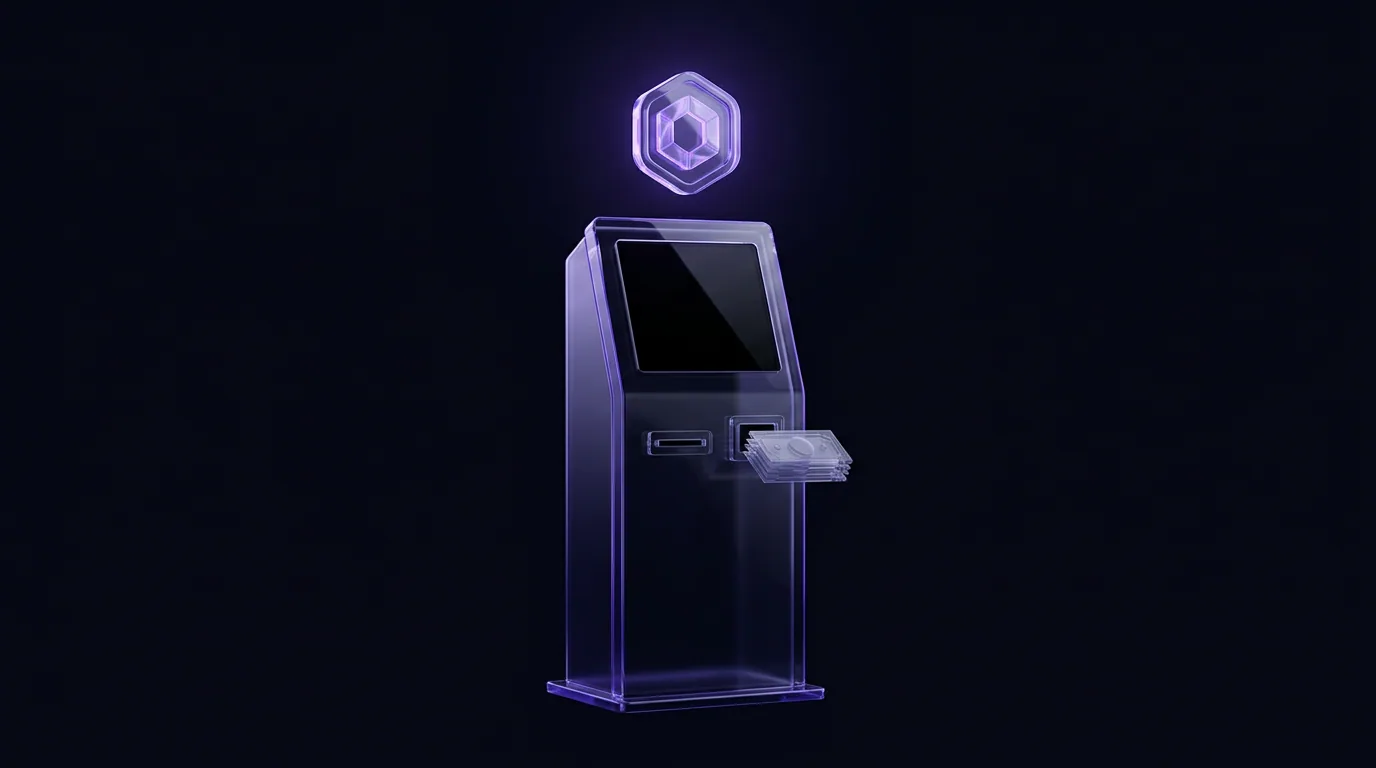
Crypto ATMs Explained: How They Work and When to Use OneCrypto ATMs let you buy or sell cryptocurrency for cash at a physical kiosk. Learn how they work, what they cost, and how they compare to other methods.
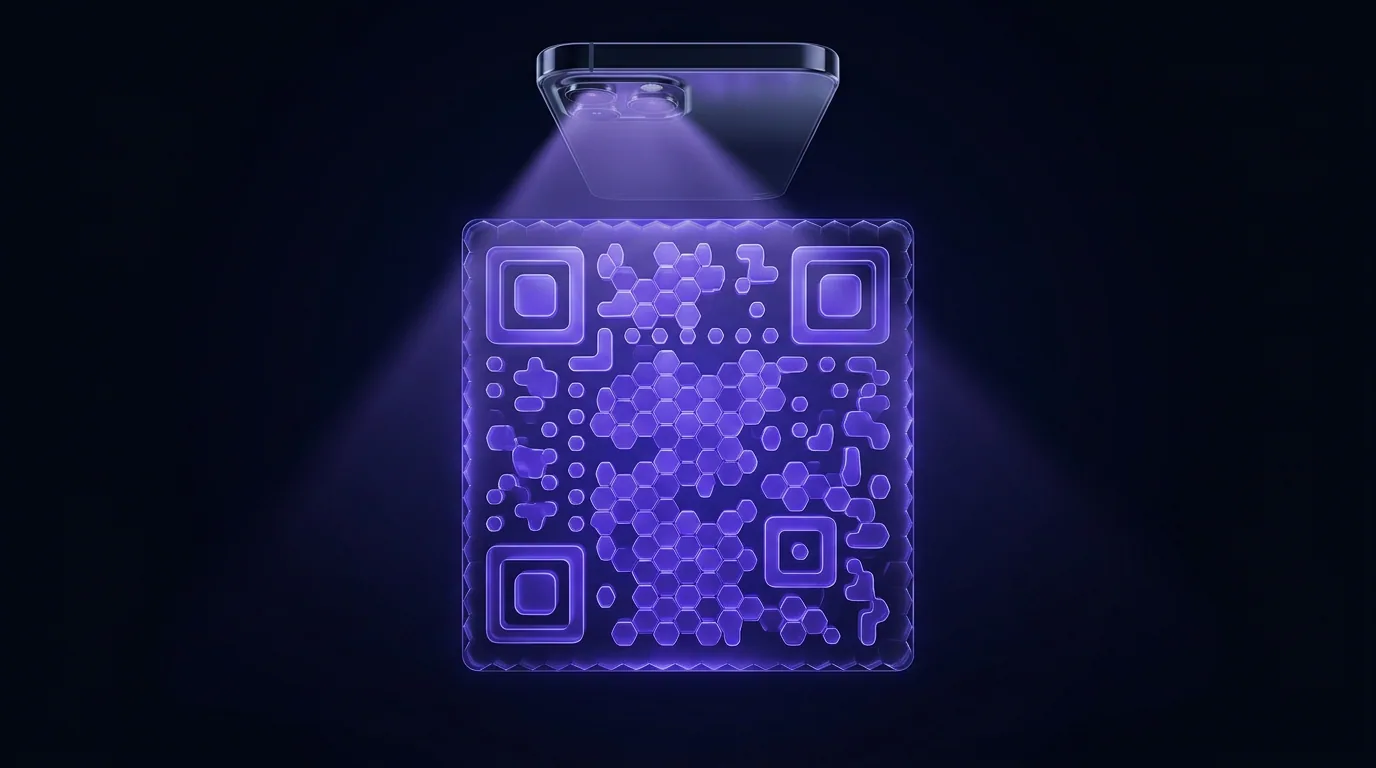
QR Code Payments: How They Work and Where They're CommonQR code payments encode payment details into a scannable image, used for merchant payments and crypto transfers. Learn how they work and what to watch for.

What If a Stablecoin Loses Its Peg? Understanding De-pegging RiskA stablecoin aims to maintain a 1:1 value with its pegged currency, but this peg is not guaranteed. Learn what backs a stablecoin and how to assess risk.
Does a Crypto-Funded Card Affect Your Credit Score?A card funded by a pre-loaded balance generally does not involve a credit check or report to credit bureaus. Learn how this differs from a credit card.

Wallet Addresses and QR Codes: How to Receive Crypto SafelyA wallet address identifies where crypto can be sent on a specific network. Learn how addresses and QR codes work, and what to check before sharing one for…

Common Misconceptions About Crypto Cards, DebunkedCrypto cards are often misunderstood. Learn the facts about how they work, where they are accepted, and what using one actually requires in everyday life.

Paying International Contractors in Crypto: What Employers Should KnowPaying contractors across borders can be slow and costly. Learn how crypto payments compare, what to agree on in advance, and what reporting may be required.

Getting Your Salary Paid in Crypto: What Employees Should KnowSome employers offer crypto salary payments, typically in stablecoins. Learn how it works, what to check with your employer, and how to spend a crypto salary.

Centralized Exchange vs a Wallet with a Card: What's the DifferenceA centralized exchange and a wallet with a card serve different purposes. Learn what each is built for and which fits your needs for holding and spending…

What Happens to Your Funds If a Wallet Provider Shuts Down?How custodial and non-custodial wallets differ when a provider ceases operating, and what protections exist for your funds and linked cards.

How Merchants Actually Get Paid When You Use a Crypto-Funded CardThe behind-the-scenes process that lets merchants accept crypto-funded cards without handling cryptocurrency directly.

Network Fee, Spread, and Service Fee: What You're Actually Paying ForA glossary of the three main fee types in crypto payments and why the same action can cost different amounts on different platforms.

Two-Factor and Passwordless Login: How Modern Apps Protect Your AccountHow two-factor authentication and passwordless login reduce account compromise risk, and why device security remains a separate concern.

Switching Your Main Spending Card to a Crypto Wallet: What to Check FirstPractical steps for transitioning to a crypto-funded card as your primary payment method, from testing transactions to managing recurring payments.

Banking Hours vs 24/7 Crypto Wallet AccessTraditional bank branches close on weekends and holidays, delaying in-person services. A crypto wallet app and its card work the same every day, with no…

Buying Gift Cards with a Crypto-Funded Card: How It WorksMany online gift-card marketplaces accept standard card payments. A card funded from a crypto wallet can be used the same way at checkout, converting crypto…

Paying Rent and Utility Bills with a Crypto-Funded CardSome landlords and utility providers accept direct card payments, where a crypto-funded card works like any other. Many require bank transfers instead, which…

What Data Does a Crypto Wallet App Actually Collect, and WhyA wallet or card provider generally needs identity information for KYC compliance, along with account and transaction data. A privacy policy describes what is…

From Cash to Cards to Crypto: A Short History of How We PayPhysical cash required no third party for a transaction. Card payments introduced electronic verification by banks. Crypto payments move value directly…

Crypto Terminology Glossary: Key Wallet Terms ExplainedA plain-language guide to wallet, transaction, and blockchain terms. Understand seed phrases, networks, gas fees, KYC, and more without the jargon.

What Happens to Your Crypto When You Die? Estate Planning BasicsHow crypto wallets work after death. Understand seed phrase recovery, custodial account processes, and estate planning for digital assets.

Why Does a Crypto Transfer Take a Few Minutes? Understanding ConfirmationsUnderstand blockchain confirmations: why crypto transactions take time, what pending means, and how different networks compare.

How Network Congestion Affects Transaction Speed and FeesWhy crypto fees and confirmation times spike during busy periods. Understand blockchain capacity, congestion, and how to choose networks.

Holding Crypto as an Investment vs Spending It: Why the Mindset Is DifferentWhy holding volatile crypto and spending it are different use cases. Understand stablecoins for spending and how to separate investment from daily use.

Money Transfer Speed Compared: Bank Wire, P2P, and CryptoDomestic bank transfers can settle same-day, while international wires take days. P2P crypto trades depend on counterparty availability, and direct wallet…

Why Some Purchases Don't Count for Cashback: Merchant Category Codes ExplainedMerchant category codes determine which transactions qualify for cashback. A store's assigned code reflects its primary business, not every individual item…

Reading Your Wallet's Transaction History: What Each Entry Actually MeansA wallet's transaction history records the action type, amount, date, and balance change. Card payments show merchant names, and blockchain transfers can be…

Keeping Business and Personal Crypto Spending Separate: Why It MattersMixing business and personal spending in one wallet complicates bookkeeping and tax reporting. Using separate wallets or cards for each purpose simplifies…

Using the Same Wallet Across Multiple Devices: How It Works and What to Watch ForCustodial wallets usually allow multi-device access by logging in. Each additional device is a potential security risk, so securing every device and removing…

Digital ID Verification Methods Explained: Selfie, Document Scan, and Liveness CheckHow digital KYC works: document scans, liveness checks, and selfie comparison. A calm look at the steps behind identity verification for crypto wallets and…

Do You Need to Notify Anyone Before Traveling with a Crypto-Funded Card?Do you need to notify your card provider before traveling? How fraud detection works for crypto-funded cards, and what to do if a transaction is blocked abroad.

Sent Crypto to the Wrong Address? What Actually Happens NextWhat actually happens when you send crypto to the wrong address, why it can't be reversed, and the one reliable way to prevent it in the first place.

Why a Digital Wallet Keeps Working When Local Banking Is DisruptedHow a crypto wallet can keep working during local emergencies that close bank branches, and what still depends on your own device and internet access.

What Is Web3, and How Does Your Wallet Fit Into It?Web3 explained: blockchain-based internet services, and how a crypto wallet is used to interact with them. Plus the difference between a Web3 wallet and a…

How to Explain a Crypto Wallet to Someone Who's Never Used OneA crypto wallet holds a balance in cryptocurrency, similar to a bank account but with key differences. Here's how to explain it to a beginner in simple terms.

What to Actually Check Before Trusting a Crypto Wallet or Card ProviderBefore trusting a crypto wallet or card provider, check for clear documentation, proper identity verification, realistic returns, and independent information…

Topping Up a Little Often vs a Lot Rarely: Which Habit Fits Your SpendingShould you top up your crypto wallet with small amounts frequently or large amounts rarely? The right approach depends on your spending habits, fees, and risk…

What If the Exchange Rate Changes While Your Payment Is Processing?Card transactions lock in the conversion rate at authorization, not settlement. Here's what happens if the exchange rate moves while your payment is processing.

What to Expect from Customer Support at a Crypto Wallet CompanyCrypto wallet support differs from traditional banks. Understand what help is available for transactions, card disputes, and account issues before you need it.

Paying at the Airport: Lounges, Duty-Free, and Transit with a Crypto-Funded CardHow card payments work at airport lounges, duty-free shops, parking, and transit. What to expect when using a crypto-funded card for airport purchases.

Walking a Dense Tourist District: Where Card Works and Where Small Cash Still HelpsWalking a dense tourist area means many small purchases in quick sequence. Where card works easily and where carrying small cash avoids friction.

Museums, Landmarks, and Ticketed Attractions: How Payment Usually WorksHow museums, landmarks, and attractions handle ticket sales and on-site purchases. What to expect with card payments and when to check ahead.

Finding and Using ATMs in an Unfamiliar City: What to Check Before You WithdrawHow to find reliable ATMs in an unfamiliar city and what to check before withdrawing. Safety and fee considerations when using a crypto-funded card.

Public Transport Abroad: Contactless Card vs a Local Transit App or CardHow contactless card payments work on public transit abroad, when a local app or card is required, and what to check before relying on your card.

Paying for Tours and Excursions Abroad: What to Know Before You BookHow tour operators handle payment, from online deposits to cash-only bookings. Understanding what you're paying upfront and what happens if plans change.

Street Food and Local Markets: Understanding Cash CultureWhy street vendors and market stalls often operate cash-only, and how to prepare for small purchases where card payment isn't an option.

Getting from the Airport to the City: How You Pay for TransfersHow payment works for taxis, rideshare apps, and airport trains. What to confirm before you start your trip to avoid payment issues on arrival.

Tipping Abroad: Cash Versus Card and What Reaches the RecipientHow tipping customs vary by country, and whether you can add a tip to a card payment or need cash. What happens to tips in each case.

Card Versus Cash While Sightseeing: Weighing the Safety Trade-OffsComparing the risks of losing cash versus a card while traveling. Practical steps to limit loss and keep your funds secure while out exploring.

Currency Exchange in Germany: What to KnowGermany uses the euro and is part of the Eurozone. Learn how currency exchange works in Germany and how a crypto-funded card like Nexus Pay compares to other…

Exchanging Crypto for Norwegian Krone: What to KnowNorway uses the Norwegian krone and is outside the Eurozone. Learn how to exchange crypto for NOK and how Nexus Pay compares to other methods.

Currency Exchange in Poland: What to KnowPoland is in the EU but uses the Polish złoty, not the euro. Learn how currency exchange works in Poland and how Nexus Pay compares to other options.

Currency Exchange in the UK: What to KnowThe UK uses the pound sterling and is outside the EU. Learn how currency exchange works in the UK and how Nexus Pay compares to other options.

Exchanging Crypto for Indonesian Rupiah: What to KnowIndonesia uses the Indonesian rupiah, a currency with large numerical units. Learn how to exchange crypto for IDR and how Nexus Pay compares to other methods.

Currency Exchange in Thailand: What to Know and How Nexus Pay Fits InThailand uses the Thai baht, with cash and cards both common. Learn about exchange booths, ATMs, and how a crypto-funded card like Nexus Pay works for…

Exchanging Crypto for Local Currency in Turkey: What to Know and How Nexus Pay Fits InTurkey uses the Turkish lira, a currency that has seen inflation in recent years. Learn how stablecoins and cards like Nexus Pay fit into the local payment…

Currency Exchange in the UAE: What to Know and How Nexus Pay Fits InThe UAE dirham has been pegged to the US dollar since 1997, making exchange rates predictable. Learn how this affects currency exchange and crypto-funded cards.

Exchanging Crypto for Local Currency in Nigeria: What to Know and How Nexus Pay Fits InNigeria has one of the highest levels of grassroots crypto adoption globally. Learn how crypto-funded cards like Nexus Pay fit into Nigeria's payment landscape.

Exchanging Crypto for Local Currency in Brazil: What to Know and How Nexus Pay Fits InBrazil has one of the largest crypto markets in Latin America and extensive card infrastructure. Learn how crypto-funded cards like Nexus Pay work in Brazil.

Currency Exchange in the US: What to Know and Your OptionsThe US dollar underpins most stablecoins, making crypto-funded cards a straightforward option. Compare traditional exchange methods and modern alternatives.

Currency Exchange in France: What to Know and Your OptionsFrance uses the euro, widely accepted by card and at ATMs. Compare traditional exchange methods with crypto-funded cards for spending in the Eurozone.

Currency Exchange in Spain: What to Know and Your OptionsSpain uses the euro, with widespread card acceptance and strong ATM infrastructure. Compare traditional exchange with crypto-funded card options.

Currency Exchange in Italy: What to Know and Your OptionsItaly uses the euro, with growing card acceptance but continued cash use. Compare traditional exchange methods with crypto-funded card options.

Currency Exchange in Japan: What to Know and Your OptionsJapan uses the yen, with a strong cash culture alongside growing card acceptance. Compare traditional exchange methods with crypto-funded card options.

Exchanging Crypto for Indian Rupees: What to KnowIndia's payment landscape combines cards, mobile wallets, and cash. Learn how crypto wallets with cards work for converting stablecoins to INR.

Exchanging Crypto for South Korean Won: What to KnowSouth Korea has very high card usage and an active crypto market. Learn how crypto wallets with cards work for converting stablecoins to KRW.

Exchanging Crypto for Vietnamese Dong: What to KnowVietnam combines growing digital payments with widespread cash use. Learn how crypto wallets with cards work for converting stablecoins to VND.

Exchanging Crypto for Philippine Pesos: What to KnowThe Philippines combines growing digital payments with a remittance economy. Learn how crypto wallets with cards work for converting stablecoins to PHP.

Exchanging Crypto for Argentine Pesos: What to KnowArgentina's high inflation and currency history have driven strong crypto adoption. Learn how crypto wallets with cards work for converting stablecoins to ARS.

Currency Exchange in Canada: Options and What to KnowCanada uses the Canadian dollar, and card payment is widely accepted. Compare exchange options, including cards funded from crypto wallets.

Currency Exchange in Australia: Options and What to KnowAustralia uses the Australian dollar, and card payment is extremely common. Compare exchange options, including cards funded from crypto wallets.

Currency Exchange in the Netherlands: Options and What to KnowThe Netherlands uses the euro and has very high card adoption. Compare exchange options, including cards funded from crypto wallets.

Currency Exchange in Switzerland: Options and What to KnowSwitzerland uses the Swiss franc and is outside the Eurozone. Compare exchange options, including cards funded from crypto wallets.

Currency Exchange in Mexico: Options and What to KnowMexico uses the Mexican peso, and both card and cash are commonly used. Compare exchange options, including cards funded from crypto wallets.

Currency Exchange in Saudi Arabia: Options and What to KnowA guide to exchanging currency in Saudi Arabia, covering the riyal's dollar peg, payment methods, and how crypto-funded cards fit into the landscape.

Exchanging Crypto for Egyptian Pounds: What to KnowA guide to converting crypto to Egyptian pounds, covering local payment infrastructure, currency trends, and how crypto-funded cards work in Egypt.

Exchanging Crypto for South African Rand: What to KnowA guide to converting crypto to South African rand, covering payment infrastructure, currency volatility, and how crypto-funded cards work in the region.

Exchanging Crypto for Pakistani Rupees: What to KnowA guide to converting crypto to Pakistani rupees, covering payment infrastructure, currency trends, and how crypto-funded cards work in Pakistan.

Exchanging Crypto for Malaysian Ringgit: What to KnowA guide to converting crypto to Malaysian ringgit, covering payment infrastructure, currency characteristics, and how crypto-funded cards work in Malaysia.

Currency Exchange in Ireland: Options and What to KnowIreland uses the euro and card payments are widespread. Compare your options for exchanging currency, including crypto-funded cards like Nexus Pay.

Currency Exchange in Portugal: Options and What to KnowPortugal uses the euro and card payments are common in cities. Compare your options for exchanging currency, including crypto-funded cards like Nexus Pay.

Currency Exchange in Sweden: Options and What to KnowSweden uses the krona, not the euro, and is one of the world's most cashless societies. Compare your options for exchanging currency, including crypto cards.

Currency Exchange in Singapore: Options and What to KnowSingapore uses the Singapore dollar and has advanced digital payment infrastructure. Compare your options for exchanging currency, including crypto cards.

Exchanging Crypto for Currency in Israel: What to KnowIsrael uses the shekel and has a developed tech sector including blockchain activity. Compare your options for using crypto, including cards like Nexus Pay.

Exchanging Crypto for Colombian Pesos: What to KnowA practical guide to converting cryptocurrency into Colombian pesos, covering local payment habits, available methods, and how crypto-funded cards work in…

Exchanging Crypto for Chilean Pesos: What to KnowA practical guide to converting cryptocurrency into Chilean pesos, covering local payment infrastructure, available methods, and how crypto-funded cards work…

Exchanging Crypto for Kenyan Shillings: What to KnowA practical guide to converting cryptocurrency into Kenyan shillings, covering mobile money, payment infrastructure, and how crypto-funded cards work in Kenya.

Exchanging Crypto for Bangladeshi Taka: What to KnowA practical guide to converting cryptocurrency into Bangladeshi taka, covering mobile finance, payment infrastructure, and how crypto-funded cards work in…

Exchanging Currency in New Zealand: What to KnowA practical guide to currency exchange in New Zealand, covering payment habits, the New Zealand dollar, and how crypto-funded cards work for visitors and…

Currency Exchange in Austria: What to Know Before You GoAustria uses the euro and accepts cards widely. Learn how traditional exchange, bank cards, and crypto-funded cards like Nexus Pay compare for spending in…

Currency Exchange in Belgium: What to Know Before You GoBelgium uses the euro and card payments are very common. Compare traditional exchange, bank cards, and crypto-funded cards like Nexus Pay for spending in…

Currency Exchange in Denmark: What to Know Before You GoDenmark uses the krone, pegged to the euro. Compare traditional exchange, bank cards, and crypto-funded cards like Nexus Pay for spending in Denmark.

Currency Exchange in Finland: What to Know Before You GoFinland uses the euro and card payments dominate. Compare traditional exchange, bank cards, and crypto-funded cards like Nexus Pay for spending in Finland.

Currency Exchange in Greece: What to Know Before You GoGreece uses the euro and cards are widely accepted in cities and tourist areas. Compare traditional exchange, bank cards, and crypto-funded cards like Nexus…

Currency Exchange in Czechia: What to Know Before You GoCzechia uses the Czech koruna, not the euro. Learn how currency exchange works in the Czech Republic and how a crypto-funded card can help.

Currency Exchange in Hungary: What to Know Before You GoHungary uses the forint, not the euro. Learn how currency exchange works in Hungary and how a crypto-funded card can help.

Currency Exchange in Romania: What to Know Before You GoRomania uses the leu, not the euro. Learn how currency exchange works in Romania and how a crypto-funded card can help.

Currency Exchange in Croatia: What to Know Before You GoCroatia adopted the euro in 2023. Learn how currency exchange works in Croatia and how a crypto-funded card can help.

Currency Exchange in Bulgaria: What to Know Before You GoBulgaria uses the lev, pegged to the euro. Learn how currency exchange works in Bulgaria and how a crypto-funded card can help.

Currency Exchange in Cyprus: What to KnowCyprus uses the euro and is part of the Eurozone. Learn how card payments work, what to expect with crypto-funded cards, and how Nexus Pay compares.

Currency Exchange in Estonia: What to KnowEstonia uses the euro and is known for digital finance. Learn how card payments work, what crypto-funded cards offer, and how Nexus Pay compares.

Currency Exchange in Latvia: What to KnowLatvia uses the euro and is part of the Eurozone. Learn how card payments work, what crypto-funded cards offer, and how Nexus Pay compares.

Currency Exchange in Lithuania: What to KnowLithuania uses the euro and is part of the Eurozone. Learn how card payments work, what crypto-funded cards offer, and how Nexus Pay compares.

Currency Exchange in Luxembourg: What to KnowLuxembourg uses the euro and is a major financial center. Learn how card payments work, what crypto-funded cards offer, and how Nexus Pay compares.

Currency Exchange in Malta: What to Know Before You GoMalta uses the euro and card payments are widely accepted. Learn how currency exchange works in this Eurozone country and compare your payment options.

Currency Exchange in Slovakia: What to Know Before You GoSlovakia adopted the euro in 2009 and card payments are widely used. Learn how currency exchange works and compare your options for spending in Slovakia.

Currency Exchange in Slovenia: What to Know Before You GoSlovenia adopted the euro in 2007 and card payments are widely used. Learn how currency exchange works and compare your options for spending in Slovenia.

Currency Exchange in Iceland: What to Know Before You GoIceland uses the Icelandic krona and card payments dominate. Learn how currency exchange works and compare your options for spending in Iceland.

Currency Exchange in Montenegro: What to Know Before You GoMontenegro uses the euro despite not being in the EU. Learn how currency exchange works and compare your options for spending in Montenegro.

Currency Exchange in Bahrain: Options and What to KnowA guide to exchanging currency in Bahrain, covering the Bahraini dinar's dollar peg, payment methods, and how crypto-funded cards work for spending.

Currency Exchange in Kuwait: Options and What to KnowA guide to exchanging currency in Kuwait, covering the Kuwaiti dinar's basket peg, payment methods, and how crypto-funded cards work for spending.

Currency Exchange in Oman: Options and What to KnowA guide to exchanging currency in Oman, covering the Omani rial's dollar peg, payment methods, and how crypto-funded cards work for spending.

Currency Exchange in Qatar: Options and What to KnowA guide to exchanging currency in Qatar, covering the Qatari riyal's dollar peg, payment methods, and how crypto-funded cards work for spending.

Currency Exchange in Jordan: Options and What to KnowA guide to exchanging currency in Jordan, covering the Jordanian dinar's dollar peg, payment methods, and how crypto-funded cards work for spending.

Exchanging Crypto for Armenian Dram: What to KnowA guide to converting cryptocurrency into Armenian dram, covering local payment infrastructure, wallet-linked cards, and practical options in Armenia's cities.

Exchanging Crypto for Azerbaijani Manat: What to KnowA guide to converting cryptocurrency into Azerbaijani manat, covering the managed exchange rate, payment infrastructure, and wallet-linked card options in…

Exchanging Crypto for Georgian Lari: What to KnowA guide to converting cryptocurrency into Georgian lari, covering the country's open regulatory stance, payment infrastructure, and wallet-linked card options.

Exchanging Crypto for Kazakhstani Tenge: What to KnowA guide to converting cryptocurrency into Kazakhstani tenge, covering the floating currency, mining activity, payment infrastructure, and wallet-linked cards.

Exchanging Crypto for Kyrgyzstani Som: What to KnowA guide to converting cryptocurrency into Kyrgyzstani som, covering the remittance economy, payment infrastructure, and wallet-linked card options in…

Exchanging Crypto for Local Currency in Bolivia: What to KnowBolivia's dollar shortage affects access to foreign currency. Learn how crypto wallets and card options compare for exchanging value in bolivianos.

Exchanging Crypto for Local Currency in Costa Rica: What to KnowCosta Rica uses the colón, and dollars circulate informally. Learn how crypto wallets and card options compare for exchanging value in Costa Rica.

Exchanging Crypto for Local Currency in the Dominican Republic: What to KnowThe Dominican Republic uses the peso, with dollars also common. Learn how crypto wallets and card options compare for exchanging value locally.

Exchanging Currency in Ecuador: What to KnowEcuador uses the US dollar as its official currency. Learn how this affects currency exchange and how crypto wallets fit into Ecuador's dollarized economy.

Exchanging Currency in Panama: What to KnowPanama uses the US dollar alongside the balboa. Learn how this affects currency exchange and how crypto wallets fit into Panama's dollar-based economy.

Exchanging Crypto for Paraguayan Guaraní: What to KnowA guide to converting cryptocurrency into Paraguayan guaraní, covering local payment infrastructure, mining activity, and card-based options including Nexus…

Exchanging Crypto for Peruvian Soles: What to KnowA guide to converting cryptocurrency into Peruvian soles, covering payment infrastructure, card acceptance in cities, and wallet-funded card options like…

Exchanging Crypto for Uruguayan Pesos: What to KnowA guide to converting cryptocurrency into Uruguayan pesos, covering the country's banking system, card infrastructure, and wallet-funded card options like…

Exchanging Currency in Hong Kong: What to KnowA guide to currency exchange in Hong Kong, covering the HKD-USD peg, card infrastructure, and wallet-funded card options like Nexus Pay for stable conversion…

Exchanging Currency in Taiwan: What to KnowA guide to currency exchange in Taiwan, covering the New Taiwan dollar, card and mobile payment adoption, and wallet-funded card options like Nexus Pay.

Why Your Crypto Deposit Isn't Showing Up in Your Wallet, and What to CheckCrypto deposit not showing up? Check confirmations, the network, the minimum amount and sender-side holds, then get your TxID ready for support.

How long does a crypto deposit take to arrive, and what sets the timeA crypto deposit usually arrives in a few minutes to about an hour. Here is what sets the time: the network, congestion and when the transfer is broadcast.

Why a small transfer below the minimum is not credited to your balanceA transfer below the network minimum is not credited to your balance. Here is why minimums exist, how they differ by network and how to check before sending.

Which network is cheapest for depositing USDT, and how to chooseTRC-20 and BEP-20 usually cost much less than ERC-20 to send USDT. See how network fees work and how to choose a network without losing funds.

Can you add a crypto card to Apple Pay or Google Pay?Yes: a virtual crypto card can be added to Apple Pay and Google Pay and used contactless. What you need first, what it can't do, and how the balance works.

Lost your card? How to freeze it and what to check nextLost your card? Freeze it in the app in one tap, check the account is secure, and unfreeze it if it turns up. Here is what to do and in what order.

Is it safe to keep money in a wallet that opens inside Telegram?A Telegram wallet can be reasonably safe, but only if your Telegram or Google account is protected. Here is what the login, access code and storage do.

How to turn crypto into money you can actually pay withCrypto can't be paid at a till directly. Compare four routes to spendable money — card, ATM, P2P, crypto ATM — and see what each one costs and risks.

Why you have to choose a network when sending crypto, and what happens if you get it wrongEach coin like USDT lives on several separate blockchains. Pick the network that matches the receiving address, or funds may be lost. Here is how to check.

How Much Does It Cost to Withdraw Cash Abroad with a Crypto Card?Cash abroad with a crypto card: 0.1% to load the card plus 0.25% per ATM withdrawal, plus any ATM-owner fee. Worked example on 1000 USDT inside.

How to send USDT from an exchange to your own wallet without losing fundsGet a deposit address in your wallet, pick the same network on the exchange, check the minimum and fees, then send. Steps to move USDT safely.

Do You Need a Bank Account to Use a Crypto Card?No bank account is needed for a crypto card like Nexus Pay's: you fund a wallet with crypto. Identity verification is still required. Here is how it works.

What is the difference between USDT and dollars in an account?USDT is a stablecoin meant to track the US dollar, but it moves on blockchains, not through banks, and can drift off its peg. Here is how the two differ.

How to check a fee before you pay it: swaps, card, ATM and network transfersCheck a fee before you confirm: read the swap preview, know fixed card and ATM rates, read the ATM screen, and refuse home-currency conversion abroad.

Why was my card payment declined, and what should you check first?Card declined? Check the card balance, whether the card is frozen, if the terminal accepts Visa, and whether it is a payment or an ATM withdrawal.

Can you leave a hotel or rental deposit with a crypto card?Yes, a card can cover a hotel or rental hold if the balance is enough for the stay and the deposit together. Here is how holds work and how to prepare.

How much cashback can you earn on a crypto card, and how is it calculated?Crypto card cashback runs 4% on up to five chosen categories, 7% with a Business card and 10% on one boosted category. See how it's calculated.

Virtual or physical card: when one is enough and when to order the otherVirtual card covers online and Apple Pay or Google Pay payments. A physical card is needed for ATM cash and tills that expect plastic. See how to choose.

What happens to your wallet balance when the crypto price dropsStablecoin balances are designed to hold their dollar value, while BTC and ETH move with the market. Here is what a price drop means for your wallet.

What does a shop see when you pay with a crypto card?A shop sees an ordinary card payment, not your wallet address or blockchain history. Here is what stays visible, what doesn't, and where your ID data goes.

How to receive your salary in USDT and spend it with a cardYes, you can be paid in USDT and spend it with a Visa card. Here is how the transfer, the network choice, card fees and verification work, step by step.

How to avoid losing money to a bad exchange rate when paying abroadPay in the local currency, skip airport exchange counters and check the rate before you confirm. Here is how to keep conversion costs low abroad.

What to check before sending a large crypto transferBefore sending a large crypto amount, check the network, the address, the minimum and the fee, then send a small test first. A step-by-step checklist.

Why link Google to your Telegram login: two doors into one walletA linked Google login gives you a second door into the same wallet balance if Telegram is lost or unavailable. Here is how it works and what to secure.

How to exchange and spend crypto in Cambodia with a cardCrypto in Cambodia: USD is widely used, so a USDT balance and a card that converts at payment or ATM cover most needs. Steps, fees and prep tips.

How to exchange and spend crypto in MongoliaHow to exchange and spend crypto in Mongolia: pay by card from a stablecoin balance, plan for cash outside Ulaanbaatar, and know the fees before you go.

How to exchange and spend crypto in Nepal with a cardHow to exchange and spend crypto in Nepal: use a crypto-funded Visa card at ATMs and larger shops, carry less cash and check local rules first.

How to exchange and spend crypto in Sri LankaHow to exchange and spend crypto in Sri Lanka: keep a stablecoin balance, pay by Visa card in Colombo, withdraw rupees at ATMs elsewhere. Costs explained.

How to exchange and spend crypto in UzbekistanHow to exchange and spend crypto in Uzbekistan: send it by the right network, pay by card in som or withdraw cash at an ATM. Fees and pitfalls explained.

How to Exchange and Spend Crypto in AlgeriaHow to exchange and spend crypto in Algeria: hold a dollar stablecoin, swap in a wallet, pay or withdraw dinars by card. General info; check local rules.

How to exchange and spend crypto in EthiopiaHow to exchange and spend crypto in Ethiopia: hold a stablecoin, pay by card in Addis Ababa and larger hotels, withdraw birr at ATMs for everything else.

How to exchange and spend crypto in Ghana with a cardHow to swap and spend crypto in Ghana: hold a dollar stablecoin, pay by card at the network's rate, withdraw cash at ATMs, and plan for areas outside Accra.

How to exchange and spend crypto in MoroccoHow to exchange and spend crypto in Morocco: pay by card funded from a crypto wallet, withdraw dirham at ATMs, and know where cash is still needed.

How to exchange and spend crypto in Tanzania with a cardHold dollar stablecoins, swap inside a wallet at 0%, and spend with a Visa card in Tanzania or withdraw shillings at an ATM. Here is how it works.

Currency exchange in Tunisia: how to change and spend money with a cardHow to exchange and spend money in Tunisia by card: where cards work, where you need dinar cash, and how to keep ATM and conversion costs low.

How to Exchange and Spend Crypto in UgandaHow to exchange and spend crypto in Uganda: hold a dollar stablecoin, pay by card in Kampala, withdraw shillings at an ATM, and keep cash for elsewhere.

Can You Pay for an Online Course with a Crypto Card?Yes, if the platform takes ordinary card payments. How to fund a crypto card, what fees apply, and how to avoid a declined payment at course checkout.

Can You Pay for Cloud Services and SaaS Tools With a Crypto Card?Can you pay for cloud services and SaaS subscriptions with a crypto card? Yes, if the balance covers each billing cycle. Here is how to set it up.

Paying for online advertising with a crypto card: how it works and what to checkCan you pay for online ads with a crypto card? Yes, if the platform accepts Visa. How charges work, why a prepaid balance helps and what fees to expect.

Is it safe to buy electronics online with a crypto card?Paying for electronics with a crypto card can be safe if you use a trusted shop, keep the balance ready and freeze a virtual card after. Here's how it works.

Can You Pay Medical Bills Abroad with a Crypto Card?Can a crypto card pay for a clinic or pharmacy abroad? Yes, where Visa is accepted and the balance covers the bill. Here is how it works and what it costs.

How to pay for a coworking space abroad with a crypto cardHow to pay for coworking abroad with a crypto card: verify, issue a virtual card, top it up and pay online or by tap. Steps, costs and pitfalls explained.

Can You Buy Concert and Event Tickets With a Crypto Card?Yes, a crypto-funded Visa card can pay at ticket checkouts. Here is how to fund it, what to check before the sale opens, and how refunds work.

Can you pay for food delivery abroad with a crypto card?Yes, if the app accepts the card network. Set up a virtual card, keep enough balance for the order and tip, and check local acceptance before you travel.

Paying for taxis and ride-hailing with a crypto card: what works and what to prepareYes, if the app takes a Visa card: add it like any card, keep balance for the fare, and carry a little cash for street taxis. Here is how it works.

Can you pay for a domain and web hosting with a crypto card?Yes: registrars and hosts take ordinary card payments, so a card funded from a crypto wallet can pay. Here is how renewals, balance and fees work.

How to pay for online tutoring and language lessons with a crypto cardYes: a virtual card funded from a crypto wallet can pay at checkout on tutoring platforms that take cards. Here is how to top up and what it costs.

Can you pay for a VPN with a crypto card?Yes: VPN and privacy services take ordinary card payments, and a crypto-funded virtual card can pay them. Here is how funding, renewals and privacy work.

How to pay for mobile service or an eSIM abroad with a crypto cardPay for mobile data or an eSIM abroad with a crypto card: issue a virtual card, fund it, buy the plan online. Steps, fees and what to check first.

Can you rent a car abroad with a crypto card?Can you rent a car abroad with a crypto card? It can work if the balance covers rental plus deposit hold and you carry a physical card. What to check first.

Can You Pay for Parking, Tolls and Transit Abroad With a Crypto Card?Can a crypto card pay for parking, tolls and transit abroad? Often yes at contactless readers, but not at cash-only barriers. Here is what to check first.

Can you pay a visa or document fee online with a crypto card?Yes, if the government portal accepts your card network and the card has enough balance. Here is what to check before paying a visa or document fee online.

Can you buy groceries abroad with a crypto card?Yes, a Visa crypto card works in supermarkets abroad via contactless pay. Here's how the balance, fees and cashback work, and why to keep some cash.

Paying at a pharmacy abroad with a crypto card: what to check before you goYes, where pharmacies accept card or contactless, a crypto-funded card can pay. What to check first: balance, card type and a cash fallback for the trip.

Can You Pay for Luggage Storage or a Storage Unit Abroad With a Crypto Card?Yes, if the operator takes cards: a crypto-funded Visa card works for online luggage-storage bookings and card terminals. Cash-only lockers are the exception.

Can you buy a software licence with a crypto card?Yes, if the vendor accepts Visa card payment. Here is how a crypto-funded card pays for one-off and subscription licences, and what to check first.

How to pay for a gym membership abroad with a crypto cardSign up for a gym abroad with a card funded from a crypto wallet: which card to use, how to cover monthly dues and how to stop a renewal when you leave.

Paying for a haircut abroad: card or cash?Card or cash for a haircut abroad? Use a card at city salons, keep a little cash for tips and small providers. Here is how to split the two sensibly.

How to Pay a Booking Deposit or Prepayment Online with a Crypto CardTo leave a deposit with a crypto card, fund it first, check that the balance covers any hold, and know how refunds work. Read the step-by-step guide.

Card or cash for a workday in a cafe or coworking space abroadCard or cash for a workday in a cafe abroad? A card covers most city cafes; keep a little cash for cash-only spots. See how to combine both options.

What is a stablecoin, in plain words, and why does it exist?A stablecoin is a crypto token built to stay near one dollar. Here is what it is, why people use USDT and USDC, and what the depegging risk means.

What is a blockchain in plain languageA blockchain is a shared record of transactions kept by many computers, not one company. Here is how blocks, public addresses and separate networks work.

What is a private key in crypto and why does it matter?A private key is the secret that authorises crypto transfers from an address. See how it differs from a public address and why losing control of it is final.

What is a gas fee, and why am I paying a network fee?A gas fee is what a blockchain charges to confirm your transfer. Here is why it changes, why Ethereum costs more than Tron or BNB Chain, and how to pay less.

Do you need a seed phrase with a custodial wallet?No: in a custodial wallet the service holds the keys, so there is no seed phrase to write down. Your login security matters instead — here is what to protect.

Coin vs token: what is the difference in crypto?A coin is the native asset of its own blockchain; a token is issued on top of an existing one. Here is what that means for sending and receiving.

Why a stablecoin is worth about one dollar, and when it isn'tWhy a stablecoin trades near $1: the issuer's dollar backing and traders who buy low and sell high. Plus what depegging is and why the peg can slip.

How a crypto transfer works, from sending to creditingHow a crypto transfer works step by step: signing, broadcast, block inclusion, confirmations and crediting. See what happens and how long it takes.

Public address vs private key: what is the difference?A public address receives funds and is safe to share; a private key authorises spending and must stay secret. Here is how they relate and what to do.

What is a satoshi, and why does crypto have so many decimal places?A satoshi is one hundred-millionth of a bitcoin. See why crypto has so many decimal places, how stablecoins differ and what to check before sending.

Wallet balance vs card balance: what's the difference and how do they work together?The wallet balance is your crypto; the card balance is the part moved over to spend. See how they differ, what the 0.1% transfer costs and how to split them.

What does it mean that a cryptocurrency is decentralized?Decentralized means many participants keep and agree on the record, not one authority. Here is what that does and doesn't guarantee for your money.

What a crypto wallet address looks like and how not to mix it upA wallet address is a long string of letters and numbers, and its format depends on the network. See how to read one, scan it and avoid a lost transfer.

How to Read a Crypto Price Chart: The Basics for BeginnersA crypto price chart plots price over time: read the axes, the direction and the daily change. A beginner's guide, general information, not advice.

What is a crypto card in plain language, and how does it differ from a regular one?A crypto card spends from a crypto wallet, not a bank account, yet shops see a normal card payment. Here is how it works and differs from a regular card.

Bitcoin vs Ethereum: what is the difference for beginners?Bitcoin is built to hold and move value; Ethereum also runs programmable apps, and ETH is its coin. Both are volatile. Here is what that means for beginners.

What Is a Block Explorer and How Do You Use It?A block explorer is a public site for checking blockchain transfers. Learn how to look up a TxID, read confirmations and find a missing deposit.

What ERC-20, TRC-20 and BEP-20 mean, and why the network matters when you send cryptoERC-20, TRC-20 and BEP-20 are token standards on Ethereum, Tron and BNB Smart Chain. Learn what they mean and why the network you pick matters.

What is slippage, and does it apply when you swap coins in a wallet?Slippage is the gap between the price you expected and the price you got. Here is what it means and how it relates to swaps in a crypto wallet.

What is a memo (comment) on a crypto deposit, and why does it matter?A memo (comment) is an extra tag sent with the address on some networks, like TON, to route a deposit to your account. Here is how to use it correctly.

What finality means in a crypto transfer, and why it matters before you press sendA crypto transfer is final when it is settled deeply enough to be treated as irreversible. Here is what that means, why waits differ and how to avoid errors.

What the mempool is, in simple terms, and why your transfer waitsThe mempool is the waiting area for crypto transactions not yet in a block. Here is why a busy network makes your transfer wait and what you can do.

What Is an Airdrop, and Can You Trust One?An airdrop is a free token distribution, but scammers copy the format. Learn how to spot a fake, what to do with unknown tokens and what never to sign.

How to tell a fake wallet app from the real oneA fake wallet app copies the real look to steal logins or funds. Check the exact address, ignore seed phrase requests and avoid links sent to you.

How to Recognize a Phishing Message: Signs and Safe ChecksA phishing message pushes urgency and a link, asks for a password or code, and points to a fake page. Learn the signs and how to check safely.

Why you should never tell anyone your verification codeA verification code proves you are you, so whoever has it can act as you. Here is why no one legitimate asks for it, and what to do if you already shared one.

How to set an access code on your wallet appOpen the app's settings and turn on the four-digit access code: it is asked every time the app opens. Here is what it protects against and what it doesn't.

How to protect your Telegram account from takeover when it is also your way into a walletTelegram login can open your wallet, so secure it: two-step verification, login alerts, never sharing codes, and a second login. Practical steps inside.

How to protect the Google account you use to log in to your walletLinked Google to your crypto wallet? Turn on two-step verification, use a unique password and remove unknown apps and devices. Here is how to do it.

What Is a SIM-Swap Attack and Does It Threaten Your Wallet?A SIM-swap moves your phone number to an attacker's SIM to catch SMS codes. Learn whether it threatens your crypto wallet and how to cut the risk.

Is it safe to use a crypto wallet on public Wi-Fi?Public Wi-Fi alone is not the main risk for a wallet app: traffic is encrypted with TLS. Fake links are. Here are habits for shared networks.

How to Tell a Real Website from a Fake CopyCheck the address character by character, use a saved official entry point, and never enter a seed phrase or login code on a page. Here is how to spot a fake.

Why real support never asks for your password, login code or keyReal support never needs your password, login code or key. Here is why anyone asking for them is after your account, and what to do if it happens.

Fake crypto giveaways and "doubling" offers: how to recognize the scamOffers to double your crypto are a classic scam: the money you send never comes back. Learn how fake giveaways work, the red flags, and how to protect funds.

How to check which devices are logged in and close sessions you don't recogniseNexus Pay opens through Telegram, so check active devices in Telegram and any linked Google account, remove unknown ones, and keep a second login.

You entered your card details on a suspicious site: what to do nextEntered card details on a suspicious site? Freeze the card, move spare balance off it, check charges and dispute anything you didn't make. Steps inside.

Why screenshots of keys and codes are riskyA screenshot of a key or code sits in your photo library, where apps and cloud backups can reach it. Here is why that is risky and what to do instead.

How to store the information you need to recover access to your walletKeep recovery email and phone current, link a second login and store details offline, not in screenshots. Here is how to protect access to your wallet.

How to Tell Real Support from a Scammer Posing as SupportFake support often writes first and asks for codes or a 'verification' transfer. Learn the warning signs and how to reach real help safely, step by step.

What is social engineering in crypto scams, and how do you recognize it?Social engineering manipulates people, not technology. Learn the four pressure levers crypto scammers use, the red flags, and how to verify before you act.

Unexpected payment request: what to do before you payGot an unexpected request to pay or send crypto? Pause, verify through a separate known channel, check address and network. Here is the step-by-step.

How to verify a payment request before you send cryptoConfirm the request in a second channel, check address and network by QR code, send a small test first. Transfers can't be undone, so check first.

Why urgency is a scam red flagPressure to act now is how scams stop you from checking. Here is why urgency is a red flag and how to pause and verify before sending money or crypto.

How to protect a crypto wallet on a phone the whole family usesSharing a phone with family? Set the four-digit access code, lock the device, keep only spending money on the card — or use a separate device. Steps inside.

Why you should keep your account recovery options up to dateOld phone numbers and emails on your linked accounts can lock you out when you need them most. Here is why to review recovery details and how often.

What is visible to everyone on the blockchain, and what stays closedAddresses, balances and transfers on a blockchain are public; card payments and app data are separate. Here is what others can and cannot see.

How an in-wallet coin swap works, step by stepAn in-wallet swap converts one coin to another inside your account: no on-chain transfer, no markup, 0% fee. See how it works and what to check.

What happens when you move your wallet balance to the cardMoving balance to the card sets aside spendable money at a 0.1% fee. Here is what it costs, how the card spends it, and how to move unused funds back.

How currency conversion is calculated when you withdraw cash at an ATMThe ATM pays out local cash, the card network converts your balance at its rate, then fees apply. Here is how the final amount is worked out, step by step.

How a card hold (preauthorization) works, and when you will run into oneA card hold sets aside part of your balance before the final charge, often at hotels and car rentals. Here is how it works and what to check first.

Where does a refund go if you paid with a crypto card?A merchant refund returns to your card through the card network, not as a new crypto transfer. See how it works, how long to wait and when to file a dispute.

What is a card's settlement currency, and what does it mean when you pay abroad?Your card settles in a base currency; abroad, the card network converts each purchase at payment time. Learn what that means and which currency to choose.

Why a deposit address can be used many timesNo: a deposit address is tied to your account and stays valid, so you can reuse it. What matters is that the network matches each time. Here is how it works.

What is a TxID (transaction hash) and why you should keep itA TxID is the unique ID of a blockchain transfer. Learn how to find it, check status in a block explorer, and why support needs it if a deposit is missing.

Why some networks confirm transfers faster than othersNetworks produce blocks at their own pace and reach finality differently, so the same deposit clears faster on one chain than another. Here is how it works.

Why network fees rise and fall through the dayNetwork fees follow demand for block space: they rise when many people transact and fall in quiet periods. Here is how it works and how to pay less.

What a minimum deposit protects against, and why you should check it before sendingA minimum deposit keeps tiny transfers from costing more in network fees than they are worth. Here is what it protects against and how to check it.

Pending vs confirmed: what the status of a crypto transfer meansPending means a transfer was sent but isn't yet in a block; confirmed means it's in a block and has gathered confirmations. Learn how to check a stuck one.

What fees add up when you pay by card abroadPaying by card abroad: which fees really apply — purchase, card loading, currency conversion, ATM and hidden markup — and how to avoid the extra ones.

How a virtual card number is used to pay onlineA virtual card has its own number you enter at checkout like any card. Here's how it's issued, used online, added to Apple Pay and frozen between uses.

Why Contactless Sometimes Asks for a PIN: How Tap Limits WorkContactless payments ask for a PIN when the amount passes a per-tap limit set by the card network and local rules. Here is how it works and what you can do.

Why your card history shows every transaction in one currencyYour card history shows every payment in one currency because the card network converts it at purchase time. Here is how to read it and avoid a worse rate.

Where to See Your Transaction History in a Crypto Wallet and What It ShowsYour wallet keeps a record of deposits, swaps, card loads, purchases and withdrawals. Here is what it shows and how to check on-chain transfers.

How recurring card payments are handled when the card has no overdraftRecurring payments charge your card on a schedule, and with no overdraft, a charge above your balance is declined. Learn how to keep subscriptions safe.

How the card network sets its conversion rate abroadAbroad, the card network converts a payment at its own rate at the time of the transaction. Learn how it works and how to avoid a worse terminal rate.

Swap rate shown before you confirm: will you see what you get?Yes: in a Nexus Pay wallet swap the amount you receive is shown before you confirm. Here is what that figure means, and what can still change with the market.

How cash withdrawal limits are structuredCash withdrawal limits depend on your card tier and on the ATM itself. Here is how the daily limit, the machine cap and the fee fit together in practice.

What determines how fast a withdrawal from your crypto wallet arrivesWithdrawal speed depends on the network, its congestion, the fee you set and the receiving side's processing. See what you can control and what you can't.

Why a crypto transfer can't be cancelled or reversedA confirmed crypto transfer is final: no central party can claw it back. Here is why, how it differs from card refunds, and how to check before you send.

How to Get Paid by International Clients in USDTTo get paid in USDT by foreign clients: agree on the network, share the matching address, check the minimum. Steps, risks and cash-out options explained.

How to state the price on an invoice paid in USDTState the price in USDT, name the network, and say who pays the network fee. Here is how to write an invoice amount so the payment arrives as agreed.

How to keep business and personal crypto spending separate in one walletKeep business and personal crypto spending apart: route income and expenses through a tracked path, use a dedicated card balance, and keep records.

How to manage cash flow when you are paid in cryptoPaid in crypto? Keep working money in a stablecoin, load only planned spending onto a card, and hold the rest as reserve. Here is how to set it up.

How to Pay Remote Team Members' Expenses With CardsFund a shared wallet, load a card for each remote worker, cap spending at the loaded balance and freeze a card in one tap. How it works and what it costs.

How to Track Small Business Expenses With a Crypto CardKeep business spending on a separate card balance, use the wallet history and merchant categories, and reconcile monthly. A practical routine for small teams.

How to keep a reserve for recurring business payments and not miss a chargeKeep a small buffer on the card, top up before billing dates and freeze what you no longer use — how to stop business subscriptions from failing.

How to Safely Accept a Large One-Off Payment in CryptoHow to accept a large one-off crypto payment safely: agree the network, share the address as a QR code, run a test transfer, then convert to a stablecoin.

How to budget with a spending card and a wallet reserveKeep most funds in the wallet, move only planned spending to the card, and top up in small steps. Here is how to set the split and keep the reserve safe.

What to Do About a Refund or Dispute When You Paid With a Crypto CardPaid with a crypto card and something went wrong? Ask the merchant for a refund, keep your records, and use a dispute through the issuer if that fails.

How to pay yourself from your business's crypto incomeMove a fixed, agreed amount from business crypto income to a separate personal card balance, so each payout is trackable. Here is how to set it up.

How to protect crypto income from price swingsCrypto income changes value until you convert it. Here's how to protect it from price swings with stablecoins and a simple routine for budgeting.

How to Explain Crypto Payments to a Freelancer: A Practical Onboarding GuideHow to prepare a freelancer for crypto payments: wallet, coin and network, deposit address, then card or ATM. A short checklist you can send today.

How to split a shared bill when someone pays with a crypto cardLet one person pay the bill by crypto card, then others send a stablecoin on an agreed network. Here's how to split it cleanly and avoid wrong-network mistakes.

How to set a monthly spending limit on your cardLoad only the month's budget onto the card: with no overdraft, spending stops at zero. Here is how to set the amount and review where the money went.

How to Reconcile Crypto Income and Expenses at the End of the MonthHow to reconcile crypto income and spending at month-end: match wallet history to invoices, verify deposits by transaction hash, and keep records clean.

How to send money to family in another country with crypto and a cardSend money abroad to family with a stablecoin: agree on coin and network, send to their wallet, and they pay by card or take local cash from an ATM.

Should you start with a small test amount? Yes, and here is whyYes, start small. A test deposit confirms coin, network and address match, and caps the cost of a mistake, since blockchain transfers can't be reversed.

Which coin should you hold if you mostly spend?If you mostly spend, a dollar stablecoin like USDT or USDC keeps its value steadier than BTC or ETH. See how to choose and how swapping in the wallet works.

What to do with leftover local currency at the end of a tripHow to avoid ending a trip with extra cash: pay by card, withdraw once when needed, and know your options for the rest. A short practical guide.

How to Keep Your Travel Money Separate From Your Everyday MoneyLoad a fixed trip amount onto a card, keep the rest in the wallet, top up as needed and review the spending afterward. Here is how the split works.

What to do if a client sends a payment on the wrong networkClient paid on the wrong network? Get the transaction hash, contact the receiving wallet's support and don't resend blindly. Here are the steps in order.

Why stablecoins are convenient for working with clients abroadStablecoins confirm in minutes, skip wire delays and intermediary fees, and hold a steady dollar value. Here is how that helps when clients are abroad.

First 30 days with a crypto wallet and card: what to do and in what orderStart small: verify your account, make a test deposit, try a virtual card online and by tap, then decide on a physical card. A step-by-step first-month plan.

Crypto card vs traditional debit card: what actually differsA debit card spends from a bank account, a crypto card from a wallet balance moved onto it. See how they differ in setup, cost and everyday control.

Crypto card or travel money card abroad: which one to takeCrypto card or travel money card abroad? A travel card locks a rate in advance; a crypto card converts when you pay. Here is how to choose for your trip.

Stablecoin or local currency: what is better to hold?A dollar stablecoin protects value where a local currency is weakening, but you spend local money. Here is how to weigh the two and combine them.

Wallet swap or external exchange: where should you convert your coins?Converting coins to spend? An in-wallet swap skips two on-chain transfers and has no markup. Here is when an external exchange still makes sense.

Paying by phone or with a physical card: which is more convenient?Phone or physical card? Paying by phone is easier for everyday tapping; a physical card is needed for ATM cash and some tills. Here is how to choose.

One card or several for budgeting: when a single card is enough and when to splitShould you keep one card or several for budgeting? A single loaded card caps spending; separate cards split business, travel and home. See when each fits.

Keeping crypto on an exchange or in a wallet with a card: how to chooseExchange or wallet with a card? An exchange suits trading, a wallet suits holding and spending. See how they differ in security, fees and transfers.

Bank Transfer vs Crypto for a Freelancer: What to ChooseBank wire or stablecoins for freelance income? Compare speed, fees, spending and tax caveats, and see when each option makes sense for your work.

ATM cash or mobile money abroad: which is more convenient?ATM cash or mobile money abroad? Cash works where a card network and ATM exist; mobile money can be the local norm for small payments. See how to choose.

Crypto card or gift card: which is more convenient for online shopping?A gift card works at one merchant for a fixed sum; a crypto card works wherever Visa is accepted and can be reloaded. Here is how to choose for online buys.

Hot wallet vs cold storage: what is the difference and which do you need?A hot wallet is online for everyday use; cold storage is offline for safekeeping. See how they differ, what each risks and how to split funds between them.

Why it matters that a wallet accepts a coin on several networksA wallet that accepts USDT on several networks lets you pick a cheaper route and match the sender's network. Here is why it matters and what to check.

Crypto card or P2P: which is more convenient for everyday spending?For frequent small purchases a crypto card is usually more convenient than P2P; P2P can make sense for larger amounts. Here is how the two compare.

Crypto card vs multi-currency account: what is the difference?A multi-currency account holds several fiat currencies; a crypto card converts crypto to local currency at payment. See which fits how you hold money.
Should you load your card little and often, or a lot at once?The load fee is 0.1% of the total either way. Small, frequent loads keep more in the wallet; one big load saves steps. Here is how to choose.

Crypto card or cash for a travel emergency: what to keep on handCard or cash for a trip emergency? Carry a crypto card as the main fund and a modest cash reserve for gaps. See when each works and what to prepare.

Crypto card vs prepaid forex card: what actually differsA prepaid forex card locks in a rate when you load fiat; a crypto card converts when you pay. Here is how funding, rates and fees differ, and who each suits.

BTC or a stablecoin: which one should you hold for spending?For spending, a stablecoin keeps your budget predictable; BTC moves with the market. See how each behaves and how to swap between them at 0% in the wallet.

Crypto card for frequent flyers: what it covers and what it doesn'tA crypto card suits frequent travellers if you use it as one tool among several: virtual card for online and taps, physical for ATMs. What to check first.

How a crypto card helps an online sellerA crypto card lets online sellers spend stablecoin income on supplies and tools, keep business spending separate and track loads. Here is how it works.

How a Crypto Card Helps Creators Who Are Paid From AbroadA crypto card lets creators paid from abroad receive stablecoins, avoid wire delays and spend by card or ATM. See how it works and what it costs.

Is a crypto card a good fit for a long stay abroad?A crypto card can work for a long stay abroad if you split funds between wallet and card and carry a physical one for ATMs. Here is how to set it up.

How a crypto card fits a life with almost no cashA crypto card handles most everyday payments by tap or phone, while a little cash covers the rest. See how cashback, limits and fees fit a low-cash life.

Can You Get a Crypto Card Without a Local Credit History?Yes: a crypto card isn't a credit product, so no local credit score is needed to spend. You still verify identity. Here's how it works for newcomers.

Everyday Uses for a Crypto Card That Most People OverlookSubscriptions, groceries, transport, one-off online buys and a built-in spending cap: everyday crypto card uses people often miss, and how they work.

Common Mistakes in the First Week with a Crypto WalletThe costliest first-week wallet mistakes are wrong network, sub-minimum deposits, typed addresses and skipped test transfers. Here is how to avoid each one.

What to find out before you choose a crypto cardBefore choosing a crypto card, check funding networks, physical card availability, total fees and verification rules. Here is a practical list of questions.

Is a crypto card right for you? Signs it fits your situationA crypto card fits if you hold or receive crypto, travel or work across borders, or can't easily open a bank account. Here's how to check each sign.

When a crypto card is not the right toolA crypto card adds little if you don't hold crypto, spend mostly in cash, or need credit. Here is how to tell when it fits and when another tool works better.

How to Explain a Crypto Card to a Family Member in Plain WordsA crypto card spends from a crypto wallet instead of a bank account and works like any card in shops. Simple wording, likely worries and honest answers.

How to build a simple monthly routine with a crypto walletA simple monthly routine for a crypto wallet: receive income, move a planned amount to the card, keep the rest in stablecoins, review history at month end.

What changes in your habits when you switch to a crypto cardSwitching to a crypto card changes how you fund spending and track your balance, not how you pay at the till. See what shifts in daily habits.

Crypto card fee myths: what you pay and what you don'tCard purchases can be 0%, but loading and ATM withdrawals cost something. Here are the crypto card fee myths that are wrong, with a worked example.

How to plan payments for a trip through several countriesHow to prepare payments for a trip through several countries: a card that converts on the spot, a phone wallet, a physical card and a little local cash.

Can you set up recurring donations with a crypto card?Yes: a crypto card can pay recurring donations if the form accepts cards. Keep a balance each cycle, and freeze the card to stop charges. How to set it up.

How a crypto card helps you run a side hustleA crypto card lets you spend stablecoin side income directly, keep business spending apart from personal money and track loads and purchases in one history.

How to try a crypto card without risking big moneyStart with a small deposit and a virtual card, make one online payment and one tap, keep most funds in the wallet. A low-risk plan to test a crypto card.

What a crypto card does not do — and does not promiseA crypto card is not a credit line, does not skip ID checks, cannot undo blockchain transfers and is not accepted everywhere. Here is what to expect instead.

How to get into the habit of checking fees and exchange ratesBuild the habit of checking fees and exchange rates: a short routine for swaps, card payments and ATMs, with the fixed figures worth memorising.

Do you need a backup payment method when traveling with a crypto card?Yes: keep some cash or a second card apart from your crypto card. It covers loss, outages and cash-only vendors. Here is how to set it up before you leave.

Can You Use a Crypto Card for Your Daily Commute?Yes, where the transit system takes contactless cards. Here is how a crypto card in a phone wallet works for daily rides, and what to do where it doesn't.

How to use a crypto card on a short business trip abroadHow to use a crypto card on a short work trip abroad: fund a capped trip balance, choose virtual or physical, plan ATM cash and keep records.

What to prepare for payments before a long tripBefore a long trip, set up a virtual card in your phone wallet, order a physical card ahead, carry a modest cash reserve and check your app logins.

Is a crypto card convenient for small daily purchases?A crypto card works well for daily small purchases by tap, if the vendor takes cards. What it costs, how cashback helps and when to keep some cash.

What to check in a service before you put money into itCheck the entry point, what the service asks for, how it describes fees and custody, then deposit a small test amount first. A practical checklist.

Payments after moving abroad: what to sort out in the first daysHow to pay in your first days abroad without a local bank account: a crypto-funded card, cash from ATMs, what to verify beforehand and what it costs.

Crypto card for students abroad: when it helps and when it doesn'tA crypto card can cover a student's first weeks abroad before a local bank account exists. See what it does, what it costs and where its limits are.