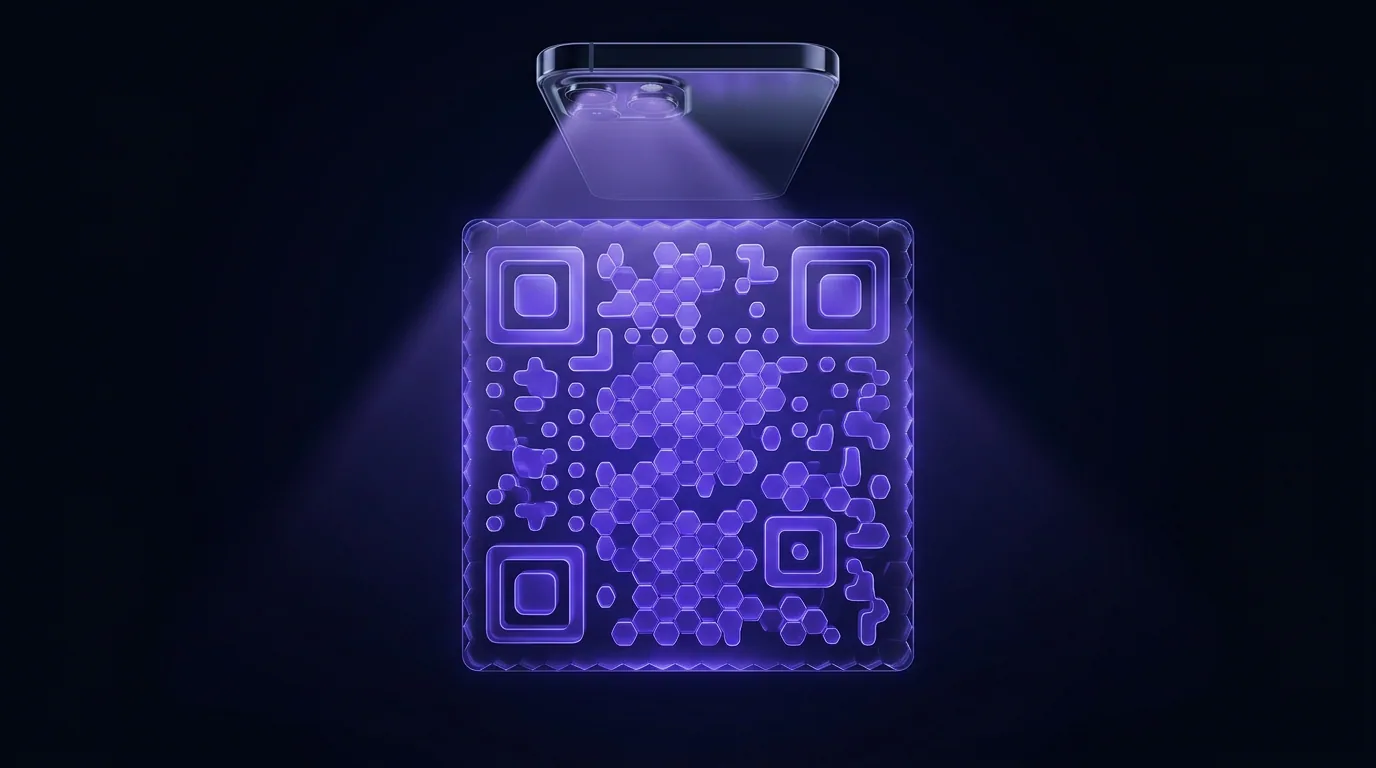
What a QR code payment contains
A QR code payment encodes payment details like a wallet address, merchant account, or transaction amount into a scannable image. Scanning the code with a phone's camera reads these details and populates them in a payment app, removing the need to type information by hand. The code itself is just data — the payment still requires approval in the app before any money moves.
Where QR code payments are common
QR-code-based payments are especially common in parts of Asia, where large networks of merchants display a QR code for customers to scan and pay. From big retailers to small street vendors, this method is widely accepted because it requires minimal hardware — just a printed or displayed code. In other regions, QR code payments are less common for everyday purchases but still used for specific purposes like crypto transfers or peer-to-peer payments.
Using QR codes for crypto transfers
A crypto wallet can generate a QR code representing its own receiving address, letting someone send crypto to it by scanning rather than typing a long address by hand. This reduces the risk of a manual typing error, which could send crypto to the wrong address with no way to reverse it. The sender scans the code, confirms the address shown in their app, enters the amount, and approves the transaction.
Verifying what a QR code points to
Scanning a QR code from an untrusted source carries the same risk as clicking an untrusted link. Confirming what a scanned code actually points to before approving a payment matters, since a malicious QR code can be physically swapped in — for example, a sticker placed over a legitimate one. Checking the address or merchant name displayed in your app after scanning, and being cautious of codes in unexpected places, reduces the chance of sending a payment to the wrong destination.
Paying with Nexus Pay using a card or QR code
Nexus Pay provides both a Visa card for tap or swipe payments and a crypto wallet that can generate a QR code for receiving crypto. For everyday purchases, the card works at any merchant that accepts Visa, without requiring the merchant to scan a code. For crypto transfers, generating a QR code from the wallet lets someone send you crypto by scanning, which then becomes available in your wallet for spending or converting through the card.
Common questions
What information does a QR code payment contain?
A QR code payment encodes payment details like a wallet address, merchant account, or transaction amount into a scannable image that a phone's camera can read.
Why are QR code payments more common in some countries?
QR-code-based payments are especially common in parts of Asia, where large networks of merchants use them because they require minimal hardware — just a printed or displayed code.
How does a QR code help with crypto transfers?
A crypto wallet can generate a QR code representing its receiving address, letting someone send crypto by scanning rather than typing a long address, which reduces the risk of a manual typing error.
What should I check before approving a QR code payment?
Confirming what a scanned code actually points to before approving a payment matters, since a malicious QR code can be swapped in — check the address or merchant name displayed in your app after scanning.
Receive and spend crypto with Nexus Pay
In Telegram, in a minute, with no paperwork.
Open Nexus Pay