Peer-to-peer platforms
P2P platforms match you with another person who sends local currency in exchange for your crypto. The rate is flexible and negotiated between you and the counterparty. This method carries counterparty and scam risk if the platform does not use escrow to hold the crypto until payment is confirmed.
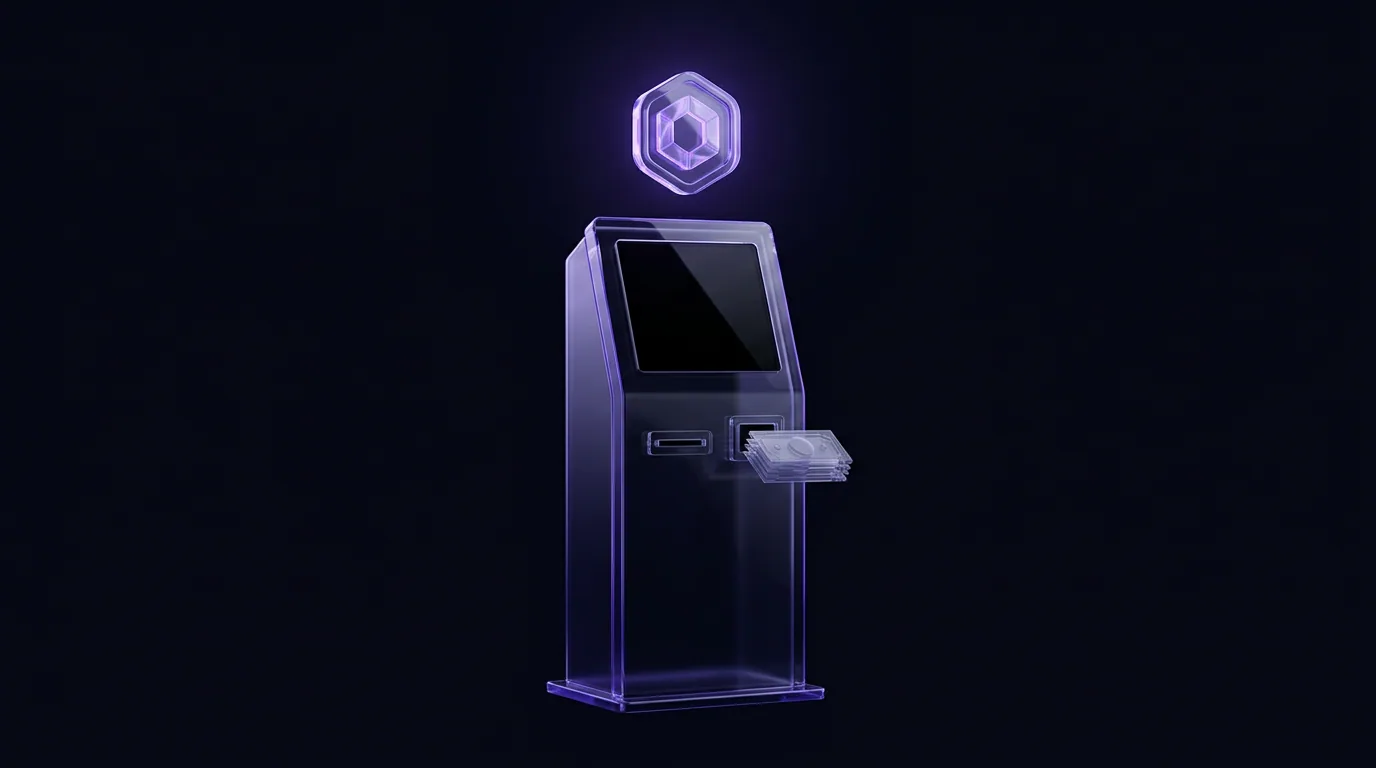
Crypto ATMs
Crypto ATMs, also called bitcoin or crypto kiosks, exist in many major cities and let you sell crypto for cash on the spot. They typically charge noticeably higher fees than other methods. They are not available everywhere, so you need to check locations in advance.
Over-the-counter desks
OTC desks or brokers handle larger trades directly with a human counterparty. They are often used for bigger amounts than P2P apps handle comfortably. The process is more manual and may require communication by email or messaging before the trade is finalized.
Crypto-funded debit or Visa card
A crypto-funded debit or Visa card lets you withdraw local currency from any ordinary ATM that accepts the card network, without a separate cash-out step. You top up the card from your wallet, then use it like any payment card. Nexus Pay, for example, is funded across six networks and supports both card spending and ATM withdrawals.
Exchange offices that accept crypto
Some local currency-exchange offices now accept crypto directly, merging the exchange-office and crypto steps into one visit. You walk in with crypto on your phone and leave with local cash. Availability depends on your city and the office's policies.