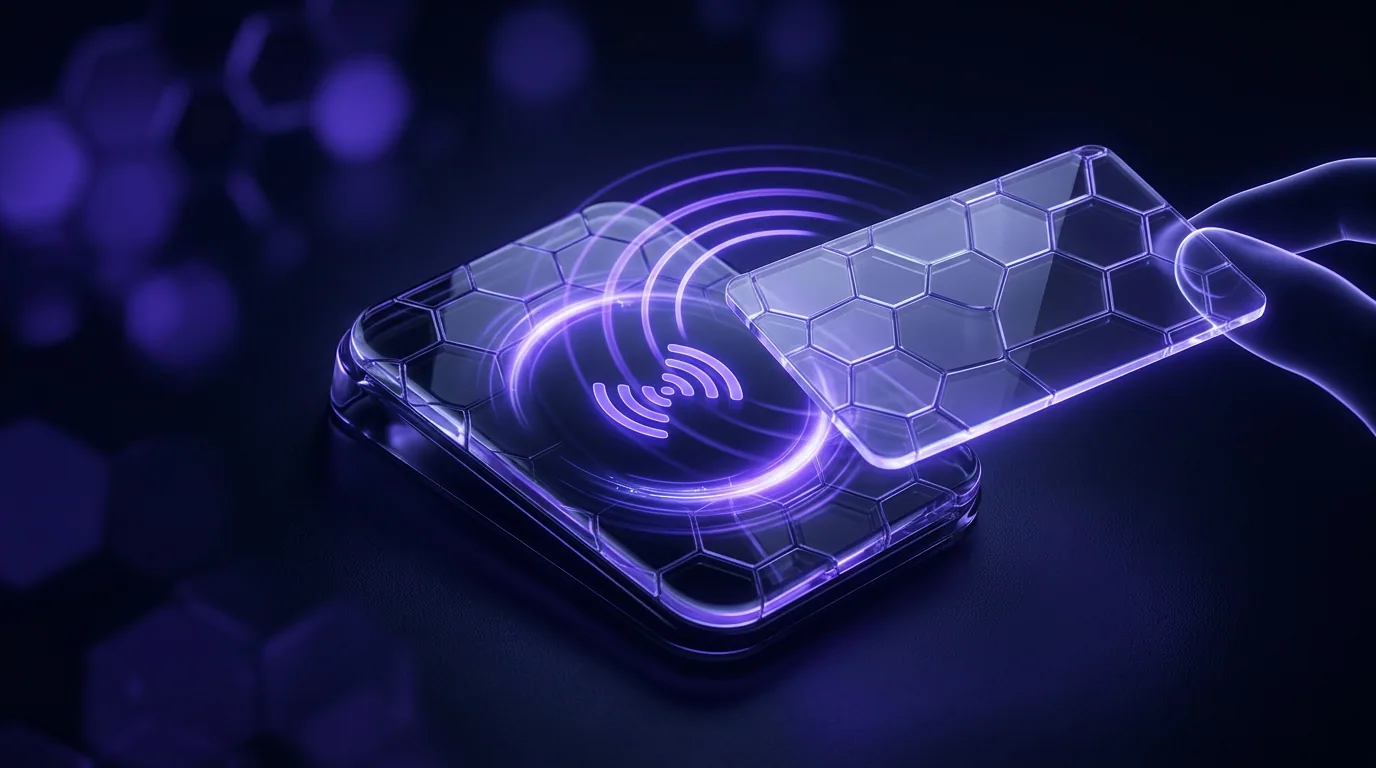
What NFC means and why distance matters
NFC stands for Near Field Communication, a short-range wireless technology that only operates within a few centimeters. This is why you must hold a card or phone close to the terminal rather than just nearby. The limited range is part of the security design, ensuring only the device you intend to use can communicate with the reader.
Why contactless transactions are faster than chip inserts
A contactless transaction typically completes in about a second once the card or phone nears the reader. Inserting a chip card requires waiting for the terminal to read and verify the chip, which takes longer. The speed difference is noticeable when paying for everyday purchases like coffee or transit fares.
How tokenization protects your card number
Contactless payments use tokenization: the terminal receives a one-time transaction code rather than your actual card number. This means a scanned contactless tap alone cannot easily be replayed for a different purchase.
- Each transaction generates a unique code
- Your real card number never reaches the merchant's terminal
- Intercepting the wireless signal does not reveal reusable payment credentials
PIN requirements and security checks
Most contactless payments below a certain amount do not require a PIN, though card issuers or terminals may periodically request one as a security check even for small amounts. This occasional PIN prompt helps verify the card is in the hands of its rightful owner. Both physical cards and phone wallets using the phone's own NFC chip can make contactless payments using the same underlying technology.
Using contactless payments with Nexus Pay
Nexus Pay issues a Visa card that works with any NFC-enabled terminal, just like traditional contactless cards. Because the card is funded from your crypto wallet across six networks, you can make a contactless payment without first converting crypto to fiat in a separate step. The same speed and tokenization security apply whether you tap the physical Nexus Pay card or use a phone wallet that supports it.
Common questions
Can someone steal my card details by standing near me with a reader?
NFC only works within a few centimeters, so a reader must be very close to your card or phone. Even if someone intercepts the signal, tokenization means they receive a one-time code rather than your actual card number, which cannot be reused for another purchase.
Why do I sometimes need to enter a PIN for a small contactless payment?
Card issuers and terminals periodically request a PIN as a security check, even for amounts that normally do not require one. This helps confirm the card is being used by its owner and is not a stolen card being tapped repeatedly.
Does contactless work the same way on a phone as on a physical card?
Yes, both use the same NFC technology. A phone wallet uses the phone's own NFC chip to communicate with the terminal, sending a tokenized transaction code just as a physical contactless card does.
Is contactless payment less secure than inserting a chip card?
Contactless payments use tokenization, which means the terminal never receives your actual card number. Chip inserts also generate unique transaction codes, so both methods are designed to prevent card details from being captured and reused. The main difference is speed rather than security level.
Tap and pay with crypto using Nexus Pay
In Telegram, in a minute, with no paperwork.
Open Nexus Pay