USDT in Zimbabwe: US dollars to EcoCash by phone number
Zimbabwe lives with two currencies — the national ZiG and the US dollar — and rent, groceries and school fees are mostly reckoned in dollars. That makes USDT easy to cash out here in dollars too: straight to an EcoCash wallet, with no conversion into local money.
EcoCash is the only local method the catalog offers for Zimbabwe, and it receives US dollars rather than ZiG. You’ll need the recipient’s number with international code 263 and the name they registered with EcoCash; the transfer typically takes 5–15 minutes. Cashing out costs 1%, minimum 1 USDT, and pulling dollars from an ATM with the card costs 1.5% + 1 USDT.
The dollar, ZiG and EcoCash: how money works in Zimbabwe
Years of currency reforms have taught Zimbabweans to think in dollars and pay with their phones.
Two currencies on the price tag
In April 2024 the Reserve Bank introduced a new national currency, ZiG (Zimbabwe Gold). The US dollar never went away: plenty of shops show prices in both at once.
Paid out in dollars
In the catalog, EcoCash takes payouts in USD specifically. That works in the recipient’s favour: a dollar balance doesn’t melt with the local currency, and there’s no need to swap it into ZiG.
EcoCash, Econet’s wallet
EcoCash mobile money is tied to numbers on the biggest mobile network. Agents pay it out and take it in as cash — in small shops and kiosks from Harare to rural business centres.
Hardly any coins
Dollar cents are rarely seen, so change at a market comes as small notes, chewing gum or a transfer to your phone. Paying by EcoCash ends the argument over change.
Withdrawing money in Zimbabwe
EcoCash runs on Econet numbers, which after code 263 usually begin with 77 or 78. Give that number and the holder’s full name, and the amount lands in dollars. The charge is 1%, minimum 1 USDT; 2 USDT is the smallest request.
 EcoCashMobile moneyphone number + recipient’s nameUSDusually 5–15 minutes
An operator handles the payout by hand and checks the number against the name. If they don’t match, the payout doesn’t happen, and the USDT plus the fee go back onto your balance.
Who uses USDT in Zimbabwe
A care worker in Birmingham
Many Zimbabweans work in Britain, South Africa and Australia. Earnings are easy to build up in USDT, with dollars sent to a mother’s EcoCash in Mutare as needed — for fertiliser before the rains or for the school term.
A designer in Harare
Foreign clients pay him in stablecoins. He cashes out what he needs in dollars to his own EcoCash and covers internet, the flat and groceries without converting anything into ZiG.
Victoria Falls and Hwange
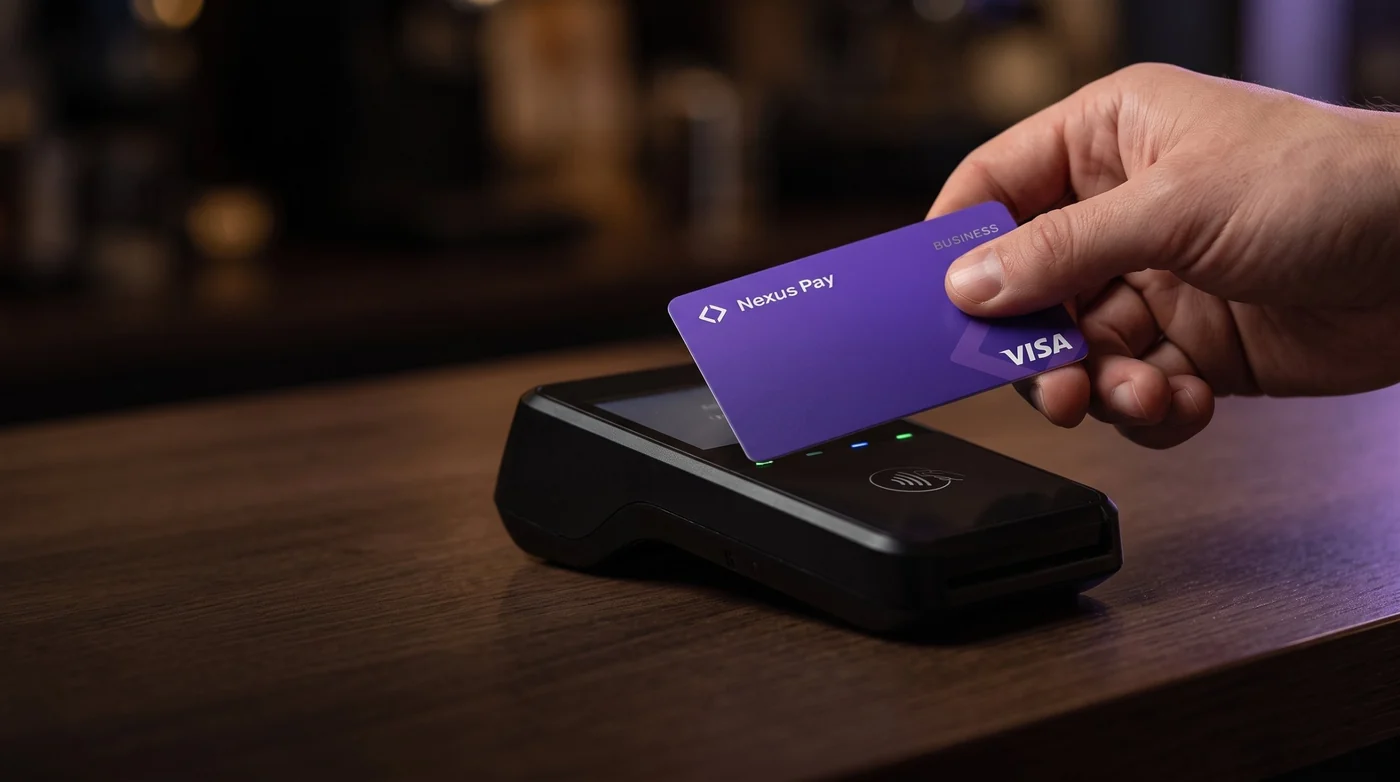
Hotels and tour operators by the falls usually take Visa. Taxis, the craft market and tips for rangers, though, call for small dollar notes — and change is hard to find.
A supplier in Bulawayo
A factory sent an invoice in US dollars with bank details? Through the Invoices section an operator sends a SWIFT transfer while you pay in USDT or USDC — barely any conversion involved.
How do you send dollars to EcoCash without mistakes?
With a single local method, it pays to get every field right the first time — a repeat request eats into the recipient’s day.
EcoCash payout fields
A local number written 077… or 078… loses its zero after code 263. A NetOne or Telecel number? First make sure an EcoCash wallet really is open on it.
How to pay an invoice in Zimbabwe from USDT
Zimbabwean invoices are nearly always issued in dollars — and the Invoices section pays them in USD by SWIFT transfer. The fee is 0.2%, with $10 to $10,000 allowed per invoice.
Three required fields
The account number, the payee’s name and their bank’s SWIFT/BIC. Without SWIFT a foreign bank has no idea where to route the money.
A snapshot of the bill
Attach a PDF or photo: the system tries to fill in the amount and details on its own, and you check each line.
Hardly any conversion
A dollar invoice paid from USDT or USDC means almost no exchange-rate gap, and the total is visible before you confirm.
Proof for the supplier
Once the operator sends the transfer, a payment mark appears in your history — forward it to the factory.
Harare, Bulawayo, Victoria Falls: what you’ll need where
Dollars work everywhere, but the capital, the industrial south-west and the tourist spots each pay in their own way.
Harare
Chain supermarkets and malls such as Sam Levy’s Village in Borrowdale take cards and EcoCash. At Mbare market it’s dollar notes and phone transfers.
Bulawayo
The second city and commercial hub of the south-west. ATMs exist, but the queues can be long: draw cash ahead of time and in one go.
Victoria Falls
Hotels, rafting and helicopter flips over the falls go on the card. At the craft market people bargain and hand over notes.
National parks
Hwange and Mana Pools are short on both ATMs and signal. Bring small dollars for park fees and tips, and don’t plan on sending a payout from the road.
Six tips for Zimbabwe
- 1Ask which currency you’ll be charged inPrice shown in both USD and ZiG? Ask the cashier which currency the card payment will go through in, and choose the price-tag currency — no terminal conversion.
- 2Go big at the ATMEach withdrawal costs 1.5% + 1 USDT from us; the fixed dollar makes small amounts costly. Any fee from the bank itself is displayed before the cash comes out.
- 3A stash of small notesDollar change is handed out grudgingly. Before travelling around the country, break big notes at a supermarket.
- 4Card for a few days at a timeMoving money from wallet to card costs 0.5%: load the next few days’ budget and leave the rest in the wallet.
- 5Name as on the IDEcoCash registers wallets against the national ID. Enter the recipient’s first name and surname in that order and spelling.
- 6Number by messageAsk the recipient to send their number in a chat. One wrong digit and the family waits for a fresh request.
Top-ups, fees and the card
One network mix-up during a top-up and the money never arrives. Double-check it before you send.
Where else


Common questions in Zimbabwe
Didn't find an answer? Message support right in the app.
How do I cash out USDT to EcoCash?
In the app: All methods → Zimbabwe → EcoCash. Enter the number with code 263 (no zero) and the wallet holder’s name. Dollars typically arrive within 5–15 minutes; the fee is 1%, minimum 1 USDT.
Will ZiG or dollars arrive?
US dollars — that’s how EcoCash is configured in the catalog. Nothing gets converted into ZiG on payout.
Does Zimbabwe have other payout methods?
Locally, only EcoCash. The international services in the catalog make sense only if the recipient already holds an account with one of them.
What’s the cost of drawing dollars with the card?
Our part is 1.5% + 1 USDT per withdrawal. The ATM’s owner bank may add a fee, displayed before you take the cash.
Do I need a Zimbabwean bank account?
No. The Visa card pays from your crypto wallet with no purchase fee, and a payout recipient only needs EcoCash.
Can I pay a local company’s invoice?
Yes, under Invoices: a SWIFT transfer in US dollars, for which you need the account number, the payee’s name and the bank’s SWIFT.
What if the payout hasn’t arrived?
Look up the request status in your history. If the operator couldn’t complete it, it shows as declined and the USDT and fee are already back on your balance; a confirmed request can’t be cancelled from your side.