USDT in Zambia: kwacha to MTN MoMo and Airtel Money wallets
In Lusaka and the Copperbelt towns, minibus fares, electricity tokens and school levies have long been paid from a phone. Savings in USDT turn into kwacha on an MTN MoMo or Airtel Money wallet within minutes, and on the road the Visa card fills the gaps.
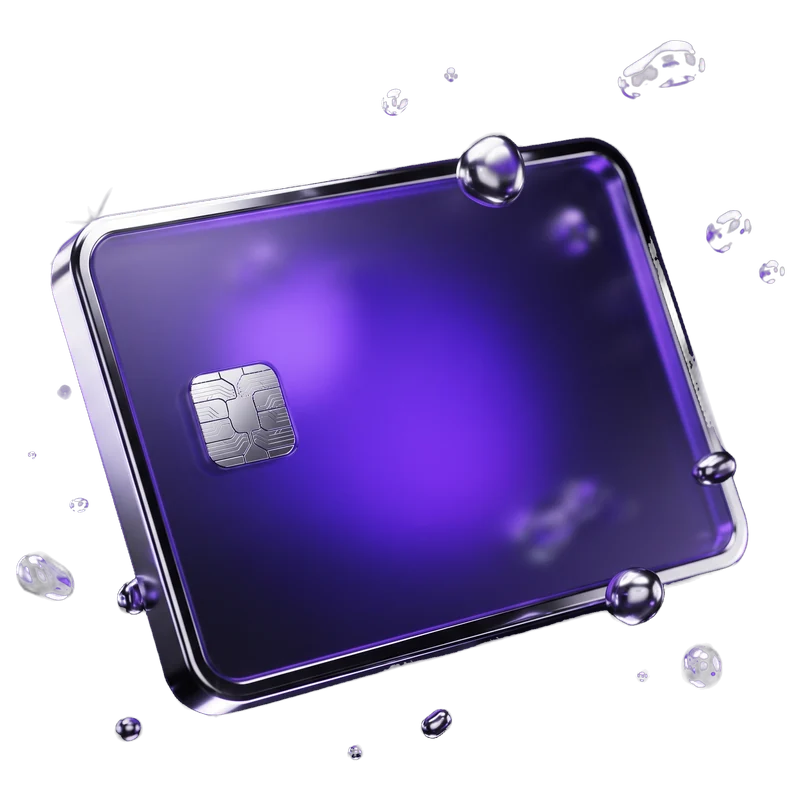
Kwacha from USDT reach Zambians through MTN MoMo or Airtel Money — the catalog lists no other local wallet. The form wants a Zambian number with the 260 prefix and the holder’s name as the operator records it; crediting takes about 5–15 minutes on average. We charge 1%, minimum 1 USDT for the payout and 1.5% + 1 USDT for a card withdrawal at an ATM. The app states the kwacha total before you commit.
Kwacha, wallets and cash: how Zambians pay
Bank cards are a minority habit, yet almost every town dweller has a mobile wallet sitting on their SIM card.
The rebased kwacha
The currency is the Zambian kwacha (ZMW), split into 100 ngwee. In 2013 the Bank of Zambia struck three zeros off the notes: a thousand old kwacha became one new one. Older relatives sometimes still talk in old money — ask again so you don’t get a figure wrong by a factor of a thousand.
Two big networks
Mobile money here mostly means MTN and Airtel. The wallet lives on the SIM, and balances turn into cash with agents: booths at markets, by bus stations and even in villages half a day from the nearest bank.
A floating rate
The kwacha is tied to neither the dollar nor the euro and can drift a long way in a year. So identical USDT amounts buy different numbers of kwacha from week to week — a stablecoin reserve converted bit by bit takes the sting out of bad days.
Where notes matter
At Soweto market in Lusaka, on minibuses and with hawkers, people settle in notes or by sending the seller money to their number. Chain supermarkets, malls and hotels in the big towns generally take cards.
Withdrawing money in Zambia
The payout goes to whichever number the recipient’s wallet sits on: 260 followed by nine digits, no leading zero. MTN subscribers get MTN MoMo, Airtel subscribers Airtel Money; add the full name from the NRC. The tariff is 1%, minimum 1 USDT, with 2 USDT as the lowest request.
 MTN MoMoMobile moneyphone number + recipient’s nameZMWusually 5–15 minutes
 Airtel MoneyMobile moneyphone number + recipient’s nameZMWusually 5–15 minutes
Zamtel Kwacha is absent from the catalog. Payouts are carried out by a human operator: when the number and name don’t agree with the wallet records, the request fails, and both the USDT and the fee withheld are put back on your balance.
Who uses USDT in Zambia
A nurse in London, a mother in Chipata
Pay in pounds is moved into USDT and left alone until needed. When a clinic bill arrives or the younger children’s fees fall due, kwacha go to her mother’s Airtel Money — a basic handset is all she needs, no apps involved.
A copywriter in Lusaka
Overseas clients settle in stablecoins. Every couple of weeks he draws kwacha to his own MTN MoMo for rent and food and leaves the remainder untouched rather than losing out on the rate.
Victoria Falls and safari
Livingstone lodges and tour companies usually accept Visa, and falls tours or Zambezi rafting are often prepaid. Keep small kwacha notes for the market, cabs and tipping your guide.
Spare parts from Kitwe
A Copperbelt workshop has emailed an invoice in kwacha with bank details. It gets settled from the Invoices section by SWIFT transfer, with USDT or USDC leaving your balance.
MTN MoMo or Airtel Money: where should the kwacha go?
Both carry the same price, 1%, minimum 1 USDT, and move at the same speed. The clue is the SIM card the recipient uses every day.
Zambian wallets in the catalog
A Zamtel user can’t receive a payout to that wallet: ask for an MTN or Airtel number where they keep MoMo or Airtel Money.
School, rent, a supplier: paying to bank details
When someone in Zambia asks you to “pay into the account”, the Invoices section handles it: an operator sends kwacha by SWIFT. The fee is 0.2%, and one invoice may run from $10 to $10,000.
What to ask the payee for
The bank account number, the exact name of the school or firm, and the SWIFT/BIC code of its bank. Without SWIFT a cross-border transfer won’t reach a Zambian bank.
The document
A PDF or photo of the bill is attached to the request; the software tries to pull the amount and bank details from it, but you have the final say.
What you settle with
USDT or USDC, whichever suits. The conversion into kwacha and the total to be debited appear before the confirm button.
For the books
A payment mark shows up in your transaction history; it is easy to forward to the head teacher or the supplier.
Lusaka, the Copperbelt, Livingstone: what you’ll need where
Distances in Zambia are long, and the way people pay in the capital and in the provinces differs a good deal.
Lusaka
Manda Hill and the other malls, plus chain supermarkets, take cards. Markets and minibuses run on cash and on transfers to the seller’s number.
The Copperbelt: Ndola and Kitwe
Industrial towns with a dense ATM network. Handy for stocking up before going north or to the waterfalls of North-Western Province, where machines are far scarcer.
Livingstone
Hotels and tours by card, curios and taxis in kwacha. Crossing for a day to Victoria Falls town in Zimbabwe? Over the bridge, prices are in US dollars.
The east and the north
Chipata, Kasama and smaller towns have only a handful of ATMs, and coverage on the highways comes and goes. Carry cash and send any payout before you set off.
Six tips for Zambia
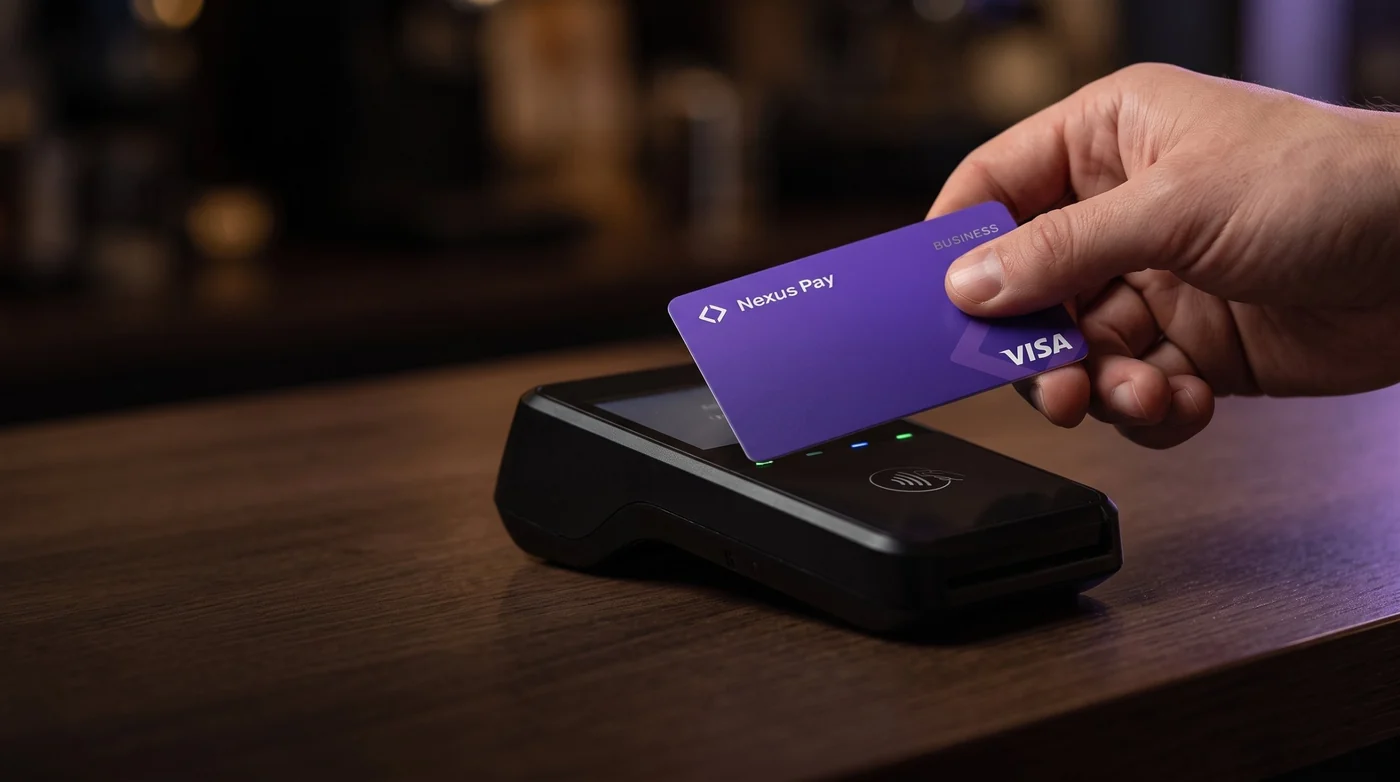
- 1Nine digits after 260A Zambian mobile number goes in without its leading zero. Have the recipient message it to you — reading digits aloud over a call is where most typos come from.
- 2Cash in a single tripEvery ATM visit costs 1.5% + 1 USDT, and the fixed dollar makes small sums expensive. If the machine’s bank tacks on a charge, the screen warns you first, and you can walk to the next one.
- 3Kwacha at the terminalA hotel wants to run the payment in dollars? Insist on ZMW — the Visa conversion usually beats the terminal’s own rate.
- 4Feed the card in portionsMoving money from the wallet to the card costs 0.5%. Send it a week’s budget, not your whole savings.
- 5Name as on the NRCWallets are registered against the national ID. Type the first name and surname in exactly that spelling, not a family nickname.
- 6Old money, new moneyIf a relative asks for “a million”, they most likely mean a thousand of today’s kwacha. Check the ZMW figure on the confirmation screen before tapping the button.
Top-ups, fees and the card
A blockchain transfer cannot be undone: coins sent on the wrong network are lost. Check the address and network.
Where else


Common questions in Zambia
Didn't find an answer? Message support right in the app.
Can I withdraw USDT to MTN MoMo in Zambia?
Yes: All methods → Zambia → MTN MoMo, then the number with the 260 prefix and the name the wallet is opened in. Kwacha are usually credited inside 5–15 minutes, and our fee is 1%, minimum 1 USDT.
What about Airtel Money or Zamtel?
Airtel Money — yes, same routine. Zamtel isn’t in the catalog, so its subscribers need a number on another network with a wallet attached.
How much is a kwacha withdrawal at an ATM?
On our side, 1.5% + 1 USDT per transaction. The bank that owns the machine may set its own charge, which lights up before the notes appear.
Why is the kwacha amount different every time?
The kwacha floats freely. The exact sum the person will get is printed on the confirmation screen, so you can tell your family in advance.
Can I pay a Zambian school’s or company’s bill?
Yes, under Invoices: the transfer goes by SWIFT in kwacha, and you need the account number, the payee’s name and their bank’s SWIFT code.
Do I need an account with a Zambian bank?
No. The Visa card draws on your crypto wallet with no purchase fee, and the payout recipient only needs MTN MoMo or Airtel Money.
What if I typed the wrong number?
A confirmed request can’t be recalled. If no wallet exists on that number, the operator declines it and your USDT returns along with the fee; if the number is valid but belongs to someone else, the money goes to them.