USDT in Côte d’Ivoire: CFA francs to Orange Money, Wave or MTN MoMo
In Abidjan money has lived on the phone for years: salaries land in a wallet, and taxis and lunch are paid from it. If your savings are in USDT, CFA francs can go to Orange Money, Wave or MTN MoMo by an Ivorian number, or you can spend with the Visa card.
CFA francs from USDT in Côte d’Ivoire go to Orange Money, Wave or MTN MoMo — the catalog’s three wallets. The main trap is the number: after 225 all ten digits are needed, the leading zero (07, 05 or 01) included. Then the holder’s name, and in roughly 5–15 minutes the money is usually there. Payouts cost 1%, minimum 1 USDT; cash from an ATM with the card costs 1.5% + 1 USDT.
Abidjan runs on mobile money
A phone wallet here replaces a bank card, a cash till and the usual way of sending money to relatives in a village near Daloa or Korhogo, where a bank branch may be hours away.
A CFA franc shared with the neighbours
The currency is the BCEAO CFA franc (XOF), the same as in Senegal, Mali and Burkina Faso. Its euro rate is fixed at 655.957 francs, so travelling around the region requires no currency exchange.
Three wallets in the catalog
Orange Money, MTN MoMo and Wave are the three large mobile money services available in the app. Moov Money is also used by Ivorians, but the catalog has no payout to it.
Ten-digit numbers
Since 31 January 2021 every Ivorian number has ten digits: mobiles start with 07 for Orange, 05 for MTN and 01 for Moov. The first digits tell you which wallet the recipient most likely has.
Cash for maquis and gbakas
At street-side maquis, at Adjamé market and in the gbaka minibuses people pay with CFA notes or a transfer to the seller’s wallet. Supermarkets, hotels and restaurants in Plateau and Cocody take cards.
Withdrawing money in Côte d’Ivoire
Each wallet takes the payout on its own ten-digit number: 225, then two “operator” digits and eight more. Add the full name from the ID card. The currency is XOF, the tariff 1%, minimum 1 USDT, the minimum 2 USDT.
 Orange MoneyMobile moneyphone number + recipient’s nameXOFusually 5–15 minutes
 WaveMobile moneyphone number + recipient’s nameXOFusually 5–15 minutes
 MTN MoMoMobile moneyphone number + recipient’s nameXOFusually 5–15 minutes
Moov Money isn’t in the catalog. Payouts are made by an operator by hand; if no wallet turns up for the number, the payout is cancelled and the USDT and fee return to your balance.
Who in Côte d’Ivoire benefits from USDT
A son or daughter in France
You study or work in Lyon while your parents live in Bouaké. Money accumulates in USDT, and when it’s needed CFA francs go to your mother’s Orange Money, generally arriving within 5–15 minutes.
An IT specialist from Cocody
A foreign client pays in USDT. For rent and food the freelancer moves francs onto a personal Wave wallet and keeps savings in the dollar stablecoin, converting only as much as the month requires rather than everything on the day the client pays.
Buying from an Ivorian company
A cocoa-processing firm in Abidjan wants payment to its bank account in CFA francs? The Invoices section wires it by SWIFT, and the money comes out of your USDT or USDC balance — no need to open an account in the country first.
A business trip to Abidjan
Hotels in Plateau and the restaurants of Zone 4 accept the Visa card. For taxis, maquis and the market you’ll want CFA notes — get them from an ATM on arrival, ideally in one larger withdrawal rather than several small ones, and keep some coins for the woro-woro shared taxis.
How do you enter an Ivorian number correctly?
The most common reason for a declined payout to Côte d’Ivoire is a number written in the old eight-digit format.
Mobile number prefixes and wallets
Wave isn’t tied to a mobile network: a Wave wallet can be registered on a number from any operator. Don’t drop the zero after 225 — it is part of the ten-digit number.
Paying an Ivorian company’s invoice
For firms in Abidjan, the Invoices section pays bills by SWIFT bank transfer in CFA francs. The charge is 0.2%, and one invoice can range from $10 to $10,000.
What you need
The account number, the payee’s name and the bank’s SWIFT/BIC. Without SWIFT a transfer from abroad can’t find its destination.
The file
Upload a PDF or photo: the app attempts to enter the amount and details itself; check every field.
Payment
Choose USDT or USDC — the franc rate and the amount to be debited show up before you confirm.
Then
An operator dispatches the transfer, and the status plus payment confirmation are kept in your history.
Côte d’Ivoire and its neighbours: where the same francs work
People in Abidjan travel to the neighbouring countries often — and money is counted differently across the region.
Burkina Faso and Mali
The same BCEAO CFA franc: cash from Abidjan works in Ouagadougou and Bamako, and payouts to wallets there are also in XOF.
Ghana
Ghana has its own cedi (GHS). The catalog lists separate wallets for it — MTN MoMo, Telecel Cash and AT Money — and payouts arrive in cedis.
Guinea and Liberia
The Guinean franc (GNF) is a completely different currency despite the name. Payouts to Guinea go to its own wallets.
Senegal
XOF again and the familiar Wave, alongside Orange Money and Mixx by Yas. Numbers there have nine digits with code 221 and no leading zero — don’t mix it up with the Ivorian format if you send money to both countries.
Seven tips for Côte d’Ivoire
- 1Cross-check the prefixThe number starts 07, yet they ask for MTN MoMo? Ask again: many Ivorians carry two or three SIMs, each with its own wallet.
- 2Abidjan ATMs — less oftenA cash withdrawal is billed at 1.5% + 1 USDT; because one dollar of that is flat, taking 20 dollars’ worth at a time is a poor deal. Should the bank behind the machine want its own cut, you’ll be told before the notes come out — and Abidjan has no shortage of other ATMs.
- 3Francs, not eurosA terminal in Plateau offers to charge euros? Pick XOF so Visa sets the rate.
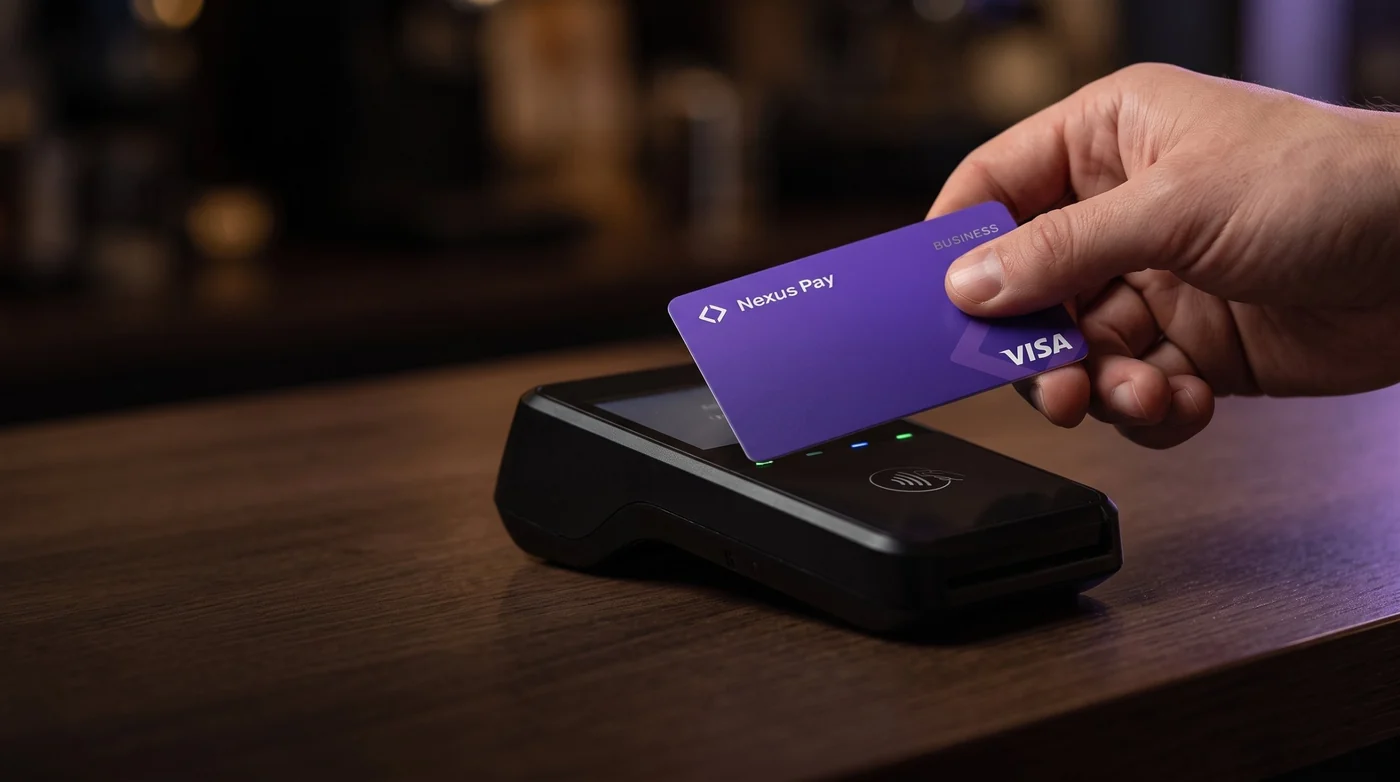
- 4Little by little on the cardA card top-up costs 0.5%; keep the next few days’ spending on it and the rest in the wallet.
- 5Two relatives, two requestsHelping your mother in Bouaké and your brother in San-Pédro? Send two payouts to two numbers rather than one big one to “split”.
- 6No nicknamesThe wallet is opened in the name on the ID. Enter first name and surname in the same order, or the operator can’t match the details.
- 7Money for the northRelatives near Korhogo or Odienné may live far from any bank but rarely far from a mobile money agent. A payout to their wallet spares them the bus ride to town — just check which network has the better signal in their village before choosing the wallet.
Top-ups, fees and the card
Before sending USDT to the wallet, check the network — a mistake there costs the whole amount.
Where else


Common questions in Côte d’Ivoire
Didn't find an answer? Message support right in the app.
How do I withdraw USDT to Orange Money in Côte d’Ivoire?
All methods → Côte d’Ivoire → Orange Money. The number is 225 plus ten digits starting with 07, along with the wallet owner’s name. Money generally gets there in 5–15 minutes; the tariff is 1%, minimum 1 USDT.
What about Wave or MTN MoMo?
Yes, they’re the other two Ivorian wallets in the catalog, with matching steps. Moov Money isn’t on the list.
The number is right but the payout was declined — why?
Usually it was typed in the old eight-digit style or the zero after 225 went missing. An Ivorian number has ten digits. When declined, the USDT comes back along with the fee.
How much does ATM cash cost?
From us it’s 1.5% + 1 USDT for every withdrawal. A local bank operating the ATM can tack on its own fee; it is spelled out on the screen first, so you decide whether to continue.
Do I need an Ivorian bank account?
No. The Visa card runs off the crypto wallet with no purchase fee, and a payout recipient only needs a mobile wallet.
Can I pay an Abidjan company’s invoice?
Yes, the Invoices section sends CFA francs by SWIFT: you’ll need the account number, the company name and its bank’s SWIFT/BIC.
What is PI-SPI, and does it concern me?
It’s the BCEAO’s instant payment system, launched on 30 September 2025, linking banks, wallets and microfinance institutions across the union’s eight countries. Our payout goes straight to the wallet; PI-SPI helps the recipient if they later want to move the francs into a bank.